Living organisms constantly experience changes in their surroundings. We pull our hand away when we touch something hot, our eyes adjust when we move from bright light into darkness, and plants bend towards sunlight. These responses may seem very different, but they all depend on a common biological process called control and coordination.
Control and coordination allow different parts of an organism to work together and respond appropriately to changes inside and outside the body. In humans and other animals, this function is mainly carried out by the nervous system and hormones, while plants use chemical substances called plant hormones to coordinate their activities.
Control and Coordination in Animals
Animals need to detect changes in their surroundings and respond quickly. The nervous system plays an important role in this process.
Specialised cells called receptors detect stimuli such as light, sound, smell, touch, temperature, and taste. After detecting a stimulus, information is transmitted through the nervous system to produce an appropriate response.
The basic unit of the nervous system is the neuron or nerve cell. A neuron receives and transmits electrical signals known as nerve impulses. It consists mainly of dendrites, a cell body, and an axon. Dendrites receive information, while the axon carries the nerve impulse towards another neuron, muscle, or gland.
The small gap between two neurons is known as a synapse. At the synapse, chemical substances help transmit the signal from one neuron to another.
Reflex Action
Sometimes the body needs to react so quickly that there is no time for conscious thought.
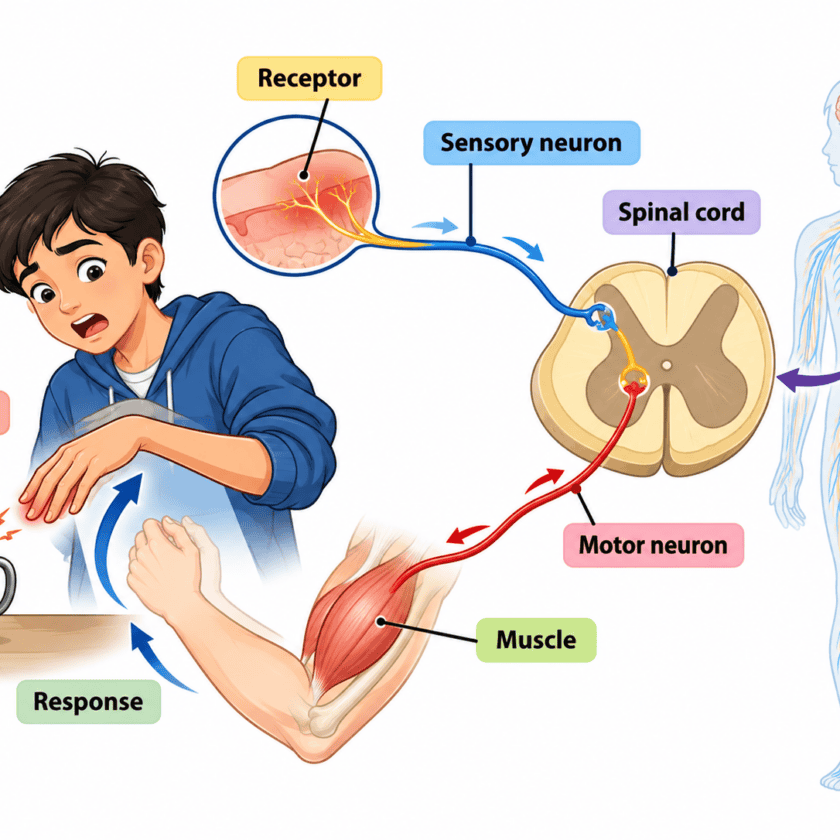
For example, if a person accidentally touches a hot object, the hand is immediately pulled away. This quick and automatic response is called a reflex action.
The pathway followed by nerve impulses during such a response is called a reflex arc. In many reflex actions, information travels through the spinal cord, allowing the body to respond rapidly before the brain fully processes what has happened.
Reflex actions help protect the body from possible injury.
The Human Brain
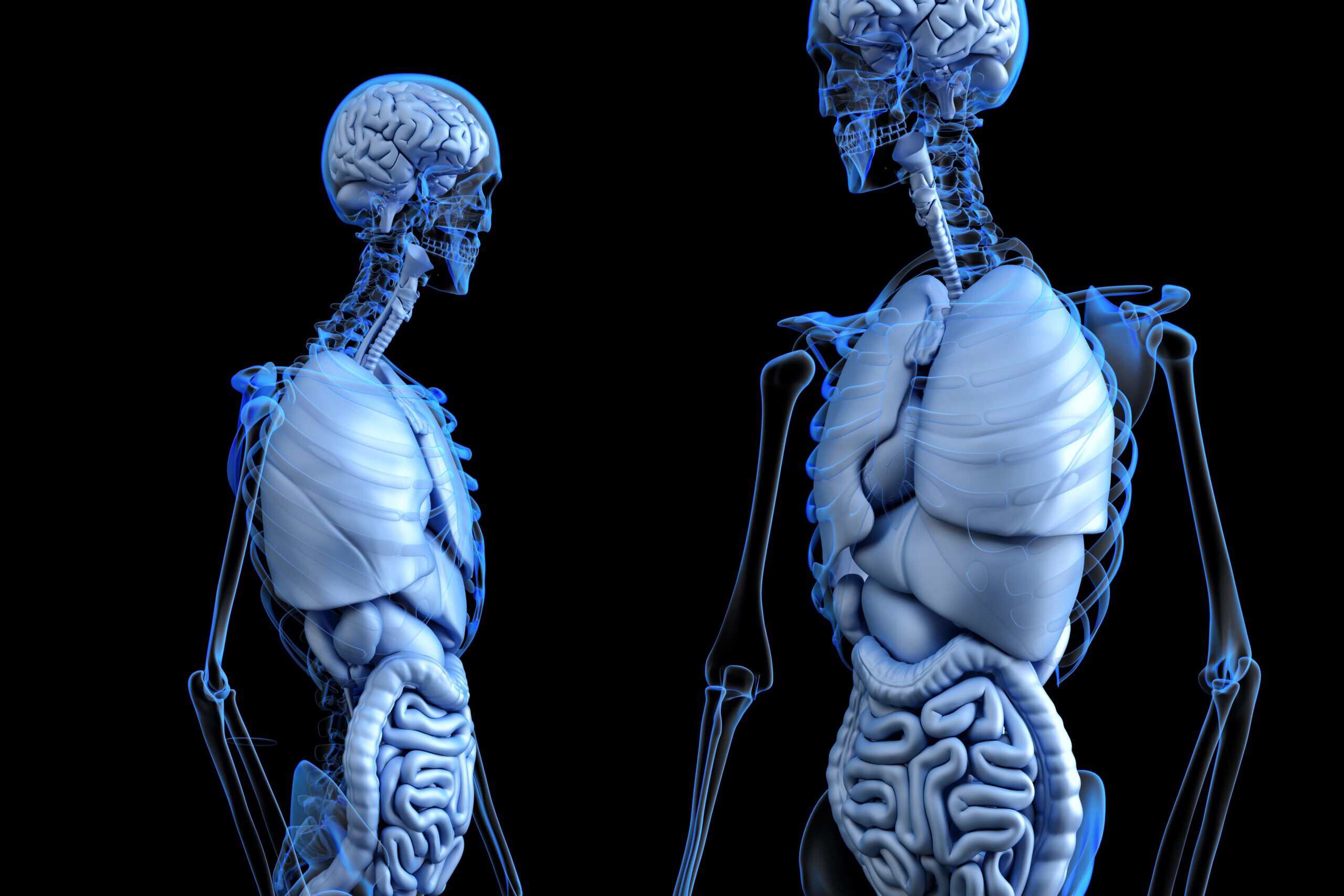
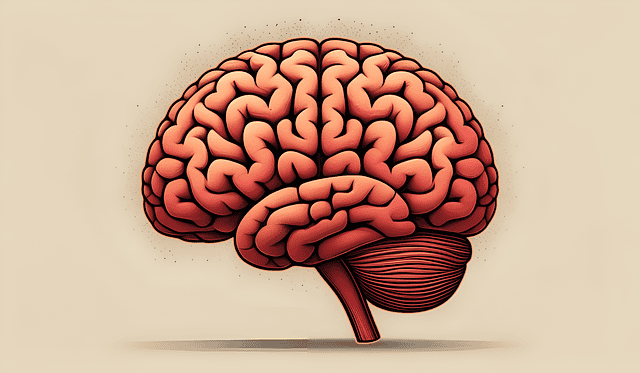
The brain is the main coordinating centre of the nervous system. Together with the spinal cord, it forms the central nervous system.
The brain can broadly be divided into the forebrain, midbrain, and hindbrain.
The forebrain is involved in thinking, intelligence, memory, sensory information, and voluntary actions. It helps us make decisions and interpret information received through our sense organs.
The midbrain helps control certain involuntary and reflex responses.
The hindbrain includes structures involved in maintaining important body functions. The cerebellum, for example, helps coordinate movements and maintain balance and posture. Other parts of the hindbrain regulate involuntary activities such as breathing and heartbeat.
The brain is protected by the skull, while the spinal cord is protected by the vertebral column.
Voluntary and Involuntary Actions
Some actions occur under our conscious control. Walking, writing, speaking, and picking up an object are examples of voluntary actions.
Other activities happen automatically without conscious effort. Breathing, heartbeat, digestion, and movement of food through the digestive tract are examples of involuntary actions.
The nervous system coordinates both types of activities so that different organs can function together efficiently.
Hormonal Coordination in Animals
Not every response in the body needs to happen immediately. Some changes, such as growth and development, take place gradually.
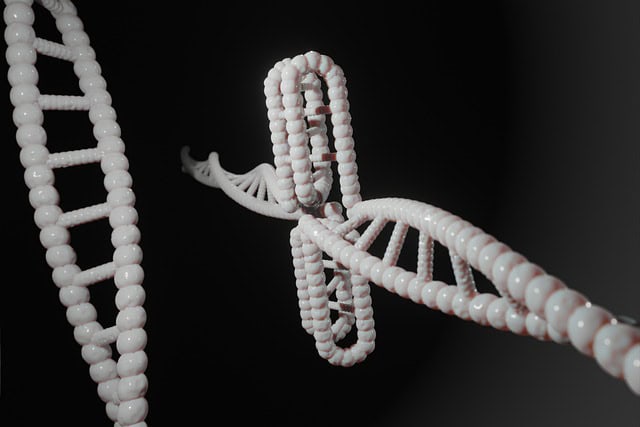
For these functions, the body uses chemical messengers called hormones. Hormones are produced by specialised glands and are transported to different parts of the body.
For example, the pituitary gland produces hormones involved in growth and also helps regulate other endocrine glands. The thyroid gland produces thyroxine, which helps regulate metabolism.
The pancreas produces insulin, which helps regulate blood glucose levels. The adrenal glands release adrenaline, particularly during stressful or emergency situations.
Adrenaline prepares the body to respond quickly. It can increase the heartbeat and breathing rate and direct more blood towards muscles.
Hormones are also responsible for many changes that take place during puberty.
Control and Coordination in Plants
Plants do not have a nervous system or muscles like animals, but they can still sense environmental changes and respond to them.
Plant movements are often related to growth. When a plant responds to a stimulus by growing in a particular direction, the response is called a tropic movement.
For example, shoots generally grow towards light. This response is called phototropism.
Roots usually grow in the direction of gravity, a response known as geotropism or gravitropism. Roots can also grow towards water, which is known as hydrotropism.
The response of plant parts to chemicals is called chemotropism. One example is the growth of the pollen tube towards the ovule during reproduction.
Some plant movements do not depend on the direction of the stimulus. The folding of the leaves of the touch-me-not plant when touched is a familiar example.
Plant Hormones
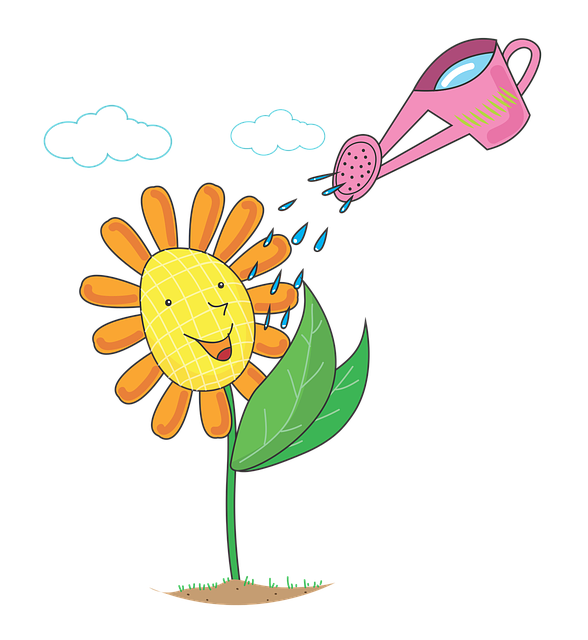
Plants use chemical substances called plant hormones to control growth and responses.
Auxins promote cell growth and play an important role in the bending of shoots towards light.
Gibberellins are associated with the growth of stems.
Cytokinins promote cell division and are particularly active in areas where rapid cell division occurs.
Abscisic acid generally acts as a growth-inhibiting hormone and plays an important role in processes such as wilting and responses to environmental stress.
Together, these hormones help plants adjust their growth according to changing conditions.
Why Control and Coordination Matter
For an organism to survive, its different organs cannot work independently. They must continuously communicate and coordinate their activities.
The nervous system allows animals to produce rapid responses, while hormones regulate slower and longer-lasting changes. Plants also use hormones and growth responses to react to light, gravity, water, touch, and other environmental conditions.
Control and coordination therefore connect an organism with its surroundings while also ensuring that processes within the body work together properly.
Conclusion
Control and coordination are essential features of living organisms. From the instant reflex of withdrawing a hand from a hot surface to the gradual bending of a plant towards sunlight, organisms constantly receive information and respond to it.
In animals, the nervous system and hormones work together to regulate behaviour, movement, growth, and internal functions. Plants achieve coordination mainly through hormones and changes in growth.
Understanding these processes shows us that even simple everyday actions depend on carefully organised communication within living organisms.