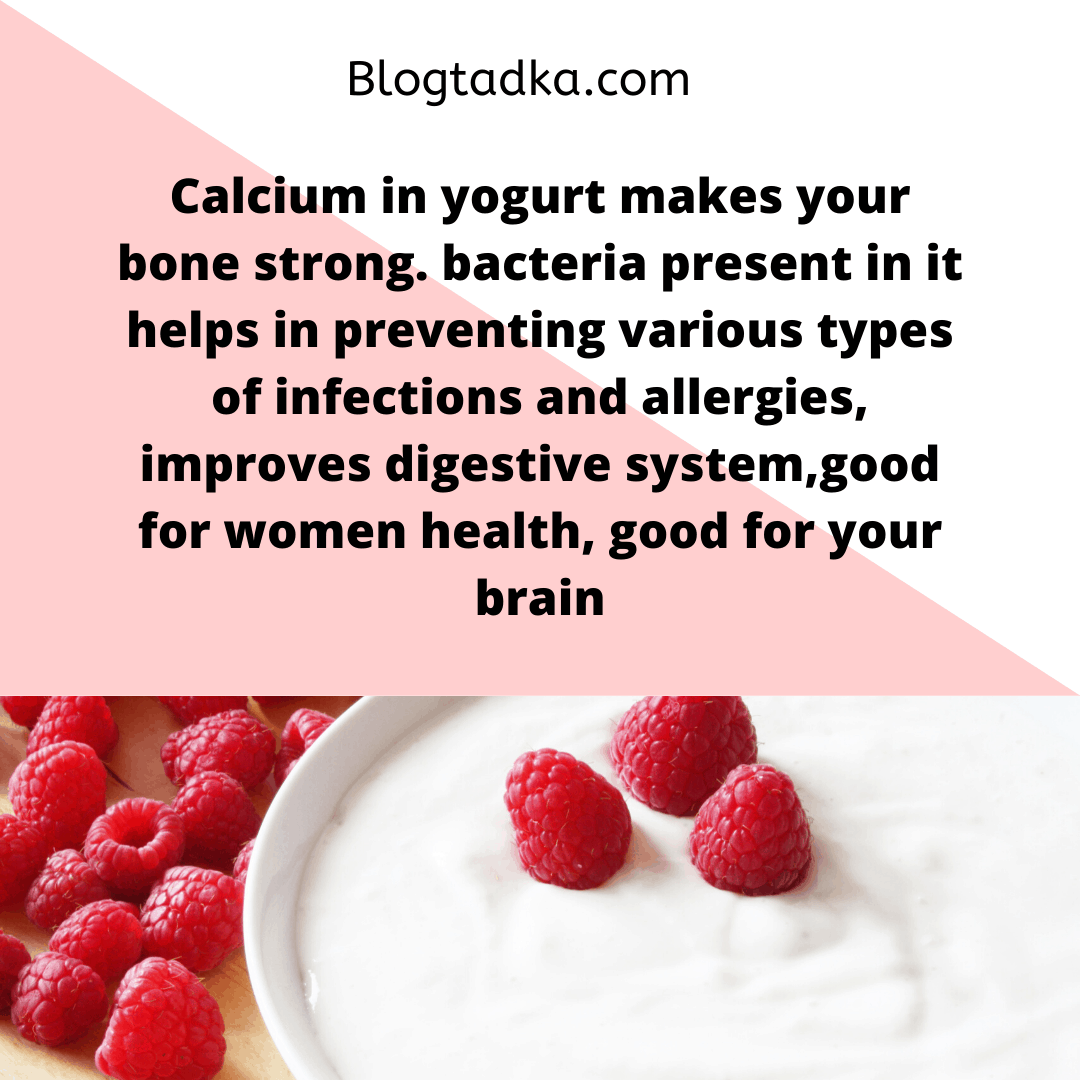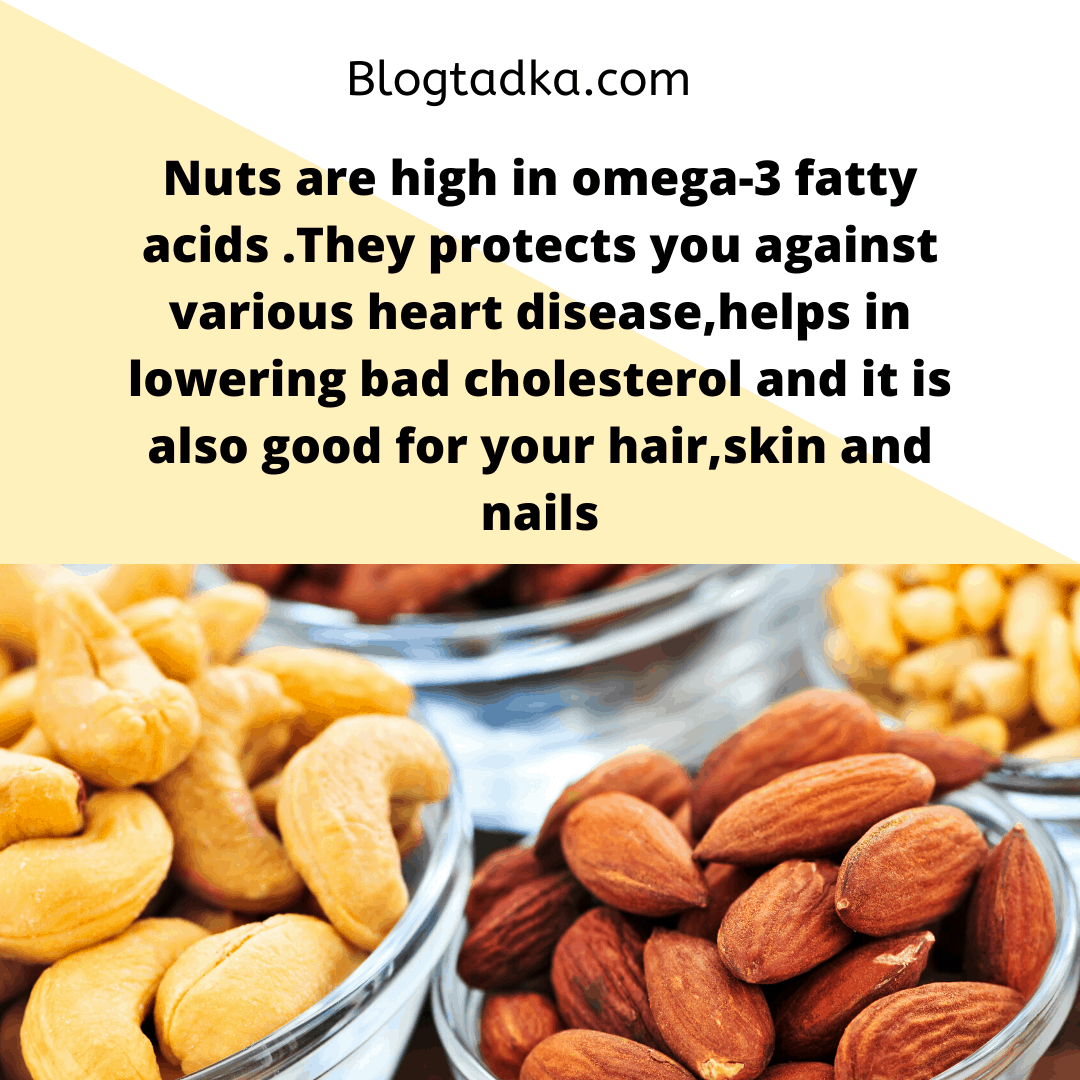
Over the last decade, the term “clean eating” has become a popular buzzword in the wellness industry. From influencers on Instagram to health-focused recipe blogs, clean eating is often portrayed as the gold standard of nutrition—think green smoothies, grain bowls, and sugar-free snacks, all labeled as “clean,” “pure,” or “natural.” But while the movement may have started with good intentions, its growing rigidity and moral undertones have given rise to some serious concerns.
What Is “Clean Eating”?
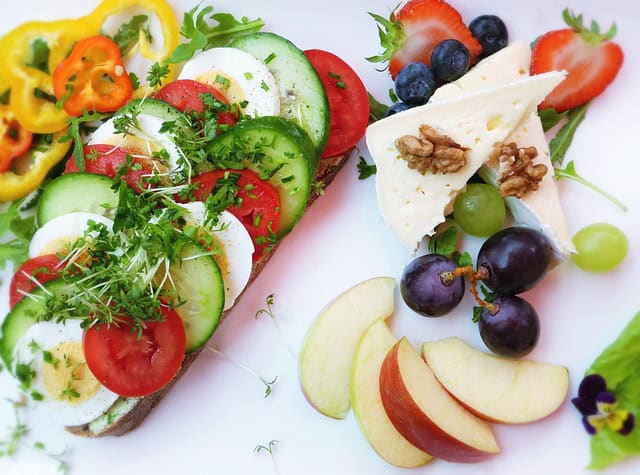
At its core, clean eating promotes the idea of consuming whole, minimally processed foods—fruits, vegetables, whole grains, lean proteins, and healthy fats—while avoiding artificial additives, preservatives, sugar, and processed foods.
While this sounds reasonable in theory, the problem arises when clean eating is treated not as a flexible guideline, but as a strict lifestyle or moral obligation. Foods are categorized as either “clean” or “dirty,” “good” or “bad,” and this binary thinking can be both misleading and harmful.
1. Promotes Disordered Eating Patterns
Clean eating often paves the way for orthorexia nervosa, an unhealthy obsession with eating only “pure” or “perfect” foods. This isn’t officially recognized in the DSM-5, but it’s increasingly acknowledged by nutritionists and mental health professionals.
What starts as a desire to “eat healthier” can spiral into food fear, anxiety around meals, and social isolation due to rigid dietary rules. The psychological stress of constantly policing one’s food choices can lead to guilt, shame, and even malnutrition in extreme cases.
2. Creates a Moral Hierarchy Around Food
One of the more insidious effects of clean eating is the moral judgment it places on food—and by extension, on people. If clean food is “good,” does that make someone who eats pizza or a burger “bad”? This kind of language fosters guilt, self-blame, and shame around eating behaviors that are, in reality, perfectly normal and human.
Moreover, this perspective overlooks the cultural and emotional aspects of food. Meals are more than fuel—they’re about connection, celebration, and tradition. Demonizing certain foods diminishes these important social and emotional elements.
3. Ignores Nutritional Nuance
Clean eating often fails to consider context. Many foods labeled as “processed” are actually nutritious and convenient—like frozen vegetables, canned beans, or fortified cereals. In some cases, processed foods are essential to making balanced diets more accessible and affordable, especially for those in food-insecure households.
Additionally, vilifying entire food groups—such as carbs, dairy, or fats—ignores basic nutritional science. The body needs a variety of nutrients, and eliminating certain foods without medical reason can lead to imbalances and deficiencies.
4. Not Universally Accessible or Affordable
Clean eating can be expensive. Organic produce, gluten-free alternatives, and niche superfoods often come with a hefty price tag. When clean eating is held up as the ideal, it can alienate individuals who simply can’t afford these products, reinforcing elitism and guilt around food choices.
This also raises an equity issue: nutrition advice that isn’t inclusive can unintentionally exclude or shame marginalized communities who may have different food traditions or face barriers to accessing “clean” foods.
5. Contributes to Diet Culture in Disguise
While clean eating is often marketed as a lifestyle, it’s frequently just diet culture in a new outfit. It focuses on control, restriction, and appearance under the guise of “health.” Even though weight loss might not be the stated goal, the clean eating trend is often paired with fitness goals, detoxes, or “reset” challenges that promote body dissatisfaction.
This disguised diet culture can lead individuals to compare their meals and bodies to unrealistic online standards, which are often filtered, curated, and financially motivated.
So, What’s the Alternative?
Instead of obsessing over eating “clean,” nutrition experts recommend a more balanced and sustainable approach:
- Practice intuitive eating – listening to your body’s hunger and fullness cues without judgment.
- Focus on variety – include a mix of foods, colors, and textures.
- Make room for pleasure – food is not just fuel; it’s also meant to be enjoyed.
- Stay flexible – there’s no one-size-fits-all diet, and health looks different for everyone.
Final Thoughts
Clean eating started with a good message: be mindful of what you put in your body. But in trying to perfect the plate, many people have lost sight of what eating is really about—nourishment, satisfaction, and connection.
Rather than labeling food as clean or dirty, it’s more helpful to embrace balance, flexibility, and self-compassion in our food choices. In the long run, that’s what truly supports both physical and mental health.
Would you like a shorter version for a blog, social media, or newsletter? I can also help you format it for SEO or add citations if it’s for academic use.
Top of Form
Bottom of Form