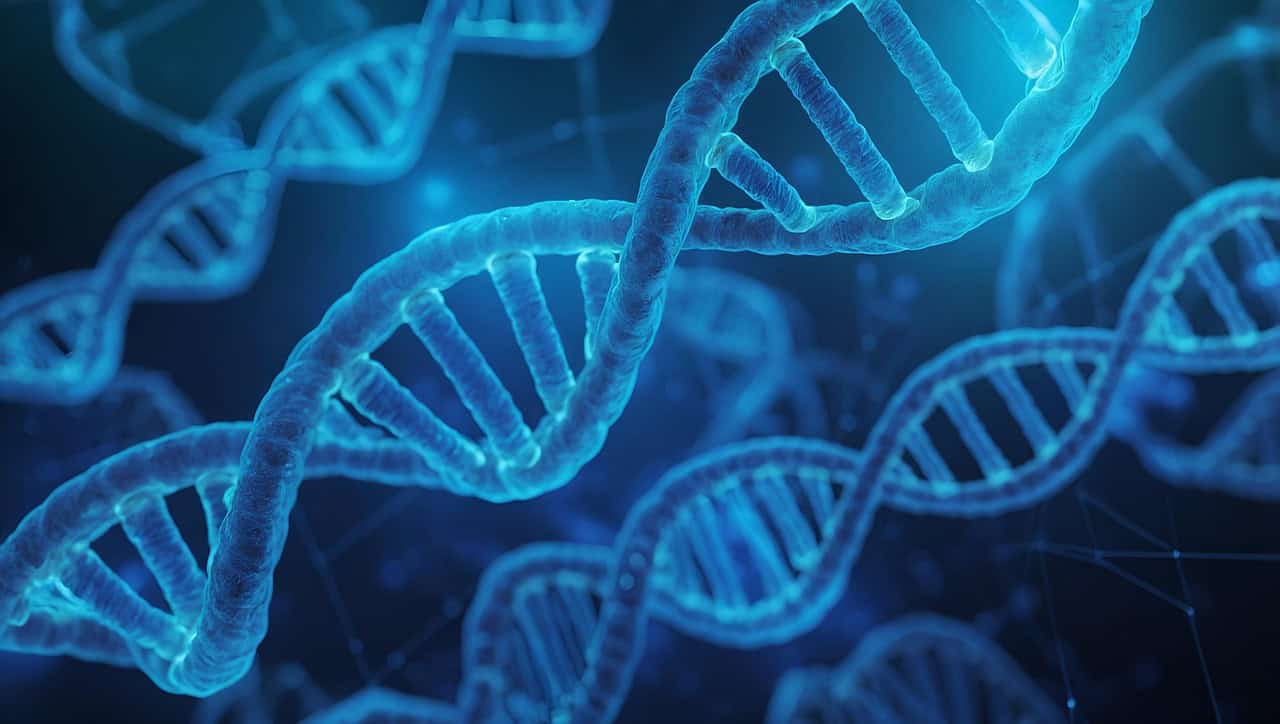
We’ve long known that “you are what you eat”—but science is now revealing that what you eat may actually change how your genes behave. This isn’t science fiction. It’s epigenetics: a groundbreaking field exploring how lifestyle factors like diet can turn genes “on” or “off” without altering the DNA sequence itself.
Nutrition plays a powerful role in this process. From fetal development to aging, your diet can influence gene expression, disease risk, and even the health of future generations.
🧬 What Is Epigenetics?
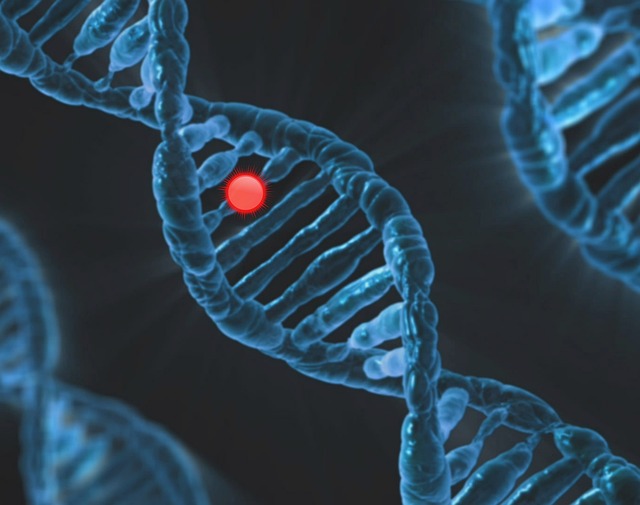
Epigenetics refers to heritable changes in gene activity that do not involve changes to the underlying DNA sequence. These changes act like switches or dimmers that control how much of a gene gets expressed.
The three major mechanisms of epigenetic regulation are:
DNA methylation
Histone modification
Non-coding RNA molecules
These processes determine whether a gene is active (expressed) or silent—impacting everything from metabolism to immune function.
🍎 Nutrition’s Influence on Epigenetics
Nutrients and bioactive compounds in food can influence epigenetic markers. Here are some key ways:
1. DNA Methylation
This is the most studied epigenetic mechanism. Nutrients like folate, B12, choline, and methionine donate methyl groups needed for methylation processes. A deficiency or excess in these nutrients can lead to improper gene silencing or activation.
Example:
Low folate intake during pregnancy has been linked to improper neural tube development in infants due to faulty DNA methylation.
2. Histone Modification
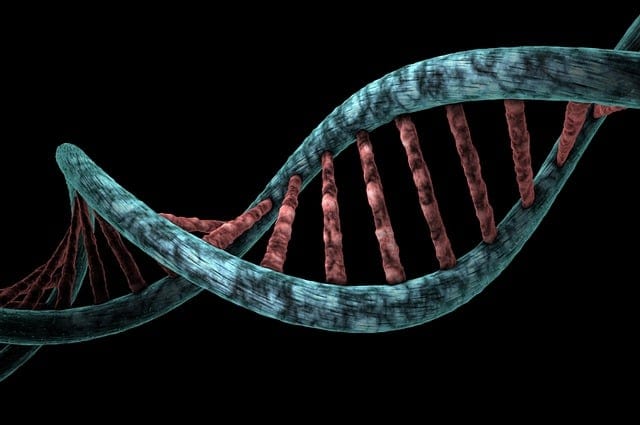
Histones are proteins around which DNA winds. Certain nutrients can modify histones and affect gene expression.
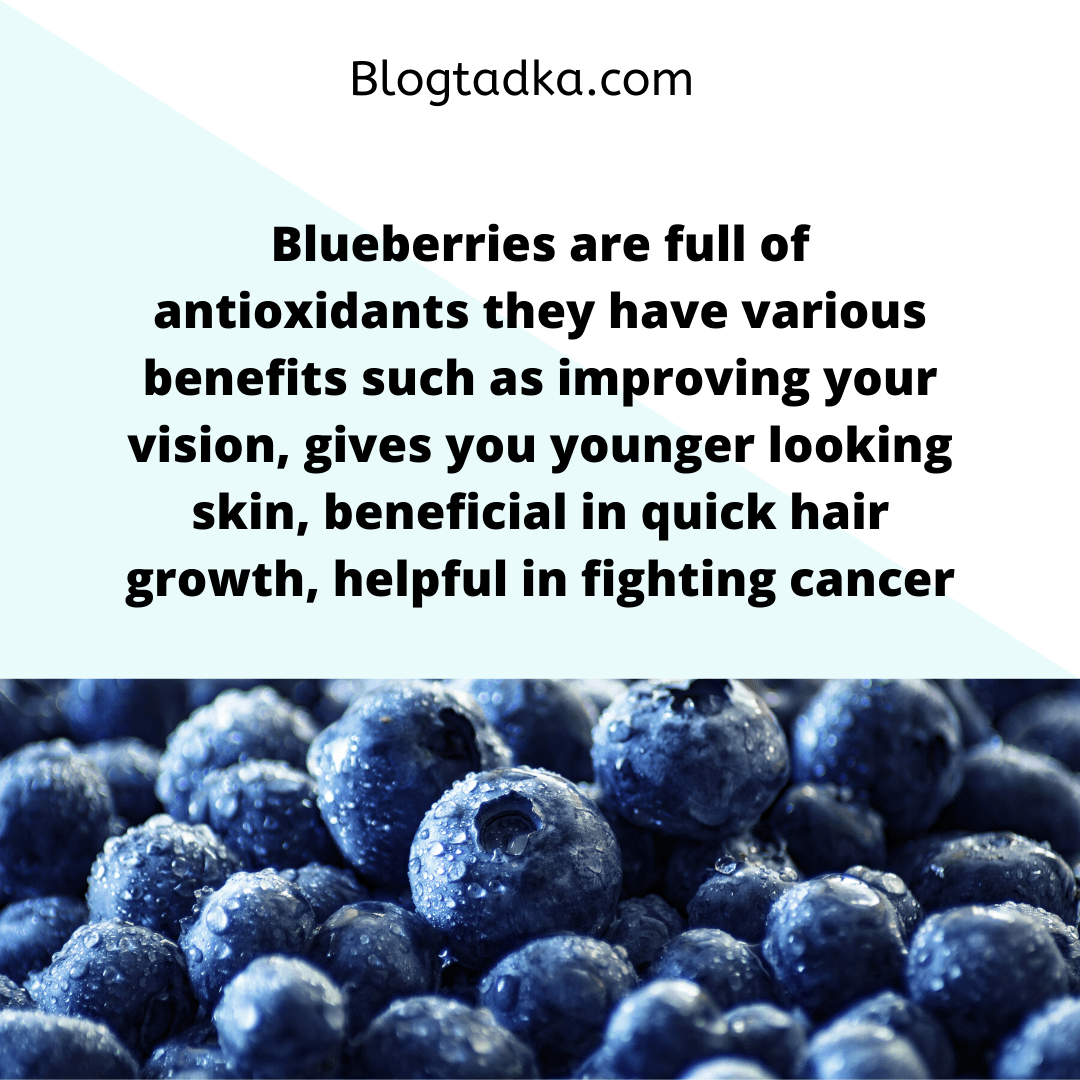
Polyphenols (found in berries, green tea, turmeric) can relax the DNA-histone complex, making genes more accessible.
Butyrate, a short-chain fatty acid produced from fiber fermentation in the gut, can also impact histone modification and inflammation-related gene expression.
3. Non-Coding RNAs
Compounds in cruciferous vegetables (like broccoli) and soy have been shown to affect the expression of non-coding RNAs, which regulate gene activity post-transcription.
🧒 Epigenetics and Early-Life Nutrition
The first 1,000 days of life—from conception to the second birthday—are especially sensitive to epigenetic programming. Maternal nutrition during pregnancy can alter fetal gene expression, impacting a child’s risk of obesity, diabetes, and cardiovascular disease later in life.
The Dutch Famine Study famously showed that children conceived during the WWII famine had higher rates of chronic diseases in adulthood, likely due to epigenetic changes caused by maternal malnutrition.
👵 Nutrition, Aging, and Epigenetics
As we age, our epigenome (the collection of epigenetic marks) naturally changes. However, poor diet, smoking, and stress can accelerate epigenetic drift—the loss of gene expression control linked to aging and diseases like cancer.
Certain compounds, called epigenetic dietary modulators, may help slow this process:
Resveratrol (found in red grapes)
Sulforaphane (in broccoli)
Curcumin (in turmeric)
These compounds are being studied for their potential to delay age-related disease through epigenetic pathways.
🔬 Epigenetics in Personalized Nutrition
As research progresses, epigenetics is paving the way for personalized nutrition—diets tailored not just to your genes, but how your genes respond to specific foods.
Imagine a future where a simple test could reveal how your body reacts to caffeine, carbs, or fat, and where your diet plan is based on your unique epigenetic profile.
This is no longer a distant dream. Nutrigenomics and epigenetics are converging to redefine the future of preventive medicine.
🧠 Final Thoughts
Nutrition doesn’t just feed your body—it instructs your genes. While your genetic blueprint is fixed, epigenetics shows that lifestyle and dietary choices can influence how those genes are expressed. This gives us a powerful tool: the ability to take control of our health at the molecular level.
So the next time you reach for a snack, remember—you’re not just feeding yourself, you might be rewriting your genetic script.
📚 References/Further Reading (Optional in a published piece)
Feil, R., & Fraga, M. F. (2012). Epigenetics and the environment: emerging patterns and implications. Nature Reviews Genetics.
Waterland, R. A., & Jirtle, R. L. (2003). Transposable elements: targets for early nutritional effects on epigenetic gene regulation. Molecular and Cellular Biology.