
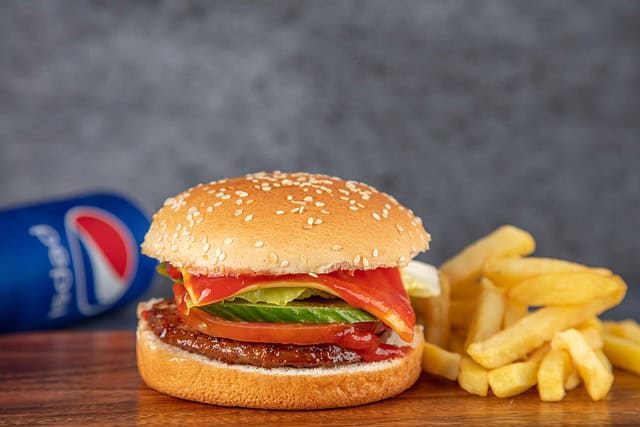
Food is more than just fuel — it’s emotion, memory, comfort, and culture wrapped in one. While hunger drives us to eat, our cravings often tell a deeper story about our emotions, habits, and even biology. From the irresistible pull of chocolate to the comforting warmth of fried foods, our cravings are rooted in both the mind and the body. Understanding why we crave certain foods helps us make more mindful choices and develop a healthier relationship with what we eat.

🍫 1. The Brain’s Reward System: Why Pleasure Drives Cravings
When we eat something we enjoy — especially high-fat, high-sugar foods — the brain releases dopamine, a neurotransmitter associated with pleasure and reward. This reaction is similar to the one triggered by certain addictive behaviors.
Over time, the brain learns to associate specific foods with pleasure, so when we’re stressed, bored, or sad, we instinctively reach for those foods to feel better. That’s why we might crave ice cream after a tough day or chips during an emotional movie night.
🧠 2. Emotions and Comfort Eating
Cravings often have little to do with physical hunger and more to do with emotional needs. Stress, anxiety, loneliness, or even happiness can trigger specific cravings.
Stress
The hormone cortisol increases appetite and cravings for sugary or fatty foods because they temporarily lower stress levels.
Sadness
Foods rich in carbohydrates, like bread or pasta, increase serotonin, the “feel-good” chemical in the brain.
Nostalgia
Comfort foods — like your grandmother’s soup or homemade cookies — remind us of security and warmth, which helps explain why we seek them during difficult times.

🧬 3. Biology and Nutrient Deficiencies
Sometimes, cravings signal the body’s need for certain nutrients. For instance:
Craving chocolate may indicate a magnesium deficiency.
Craving salty snacks could reflect electrolyte imbalance.Craving red meat might mean low iron levels.
While emotional and psychological triggers are powerful, biological factors shouldn’t be ignored. The body often sends subtle signals when something is missing — we just need to learn how to interpret them correctly.
🌍 4. Culture, Memory, and Environment
Our food preferences are deeply shaped by where we live and how we were raised. Cultural background determines which foods we find comforting or desirable. For example, spicy foods might feel soothing to someone raised in India, while creamy casseroles may feel comforting to someone from the Midwest.
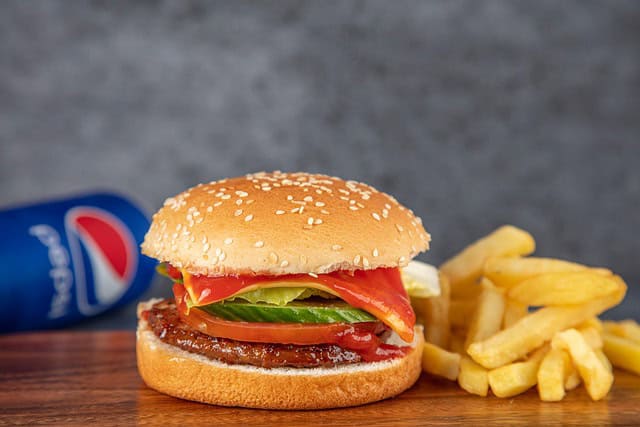
Additionally, advertising and food availability influence cravings. Seeing mouth-watering images of pizza or sweets can activate the brain’s reward system, creating cravings even when we aren’t hungry.
🧩 5. Breaking the Craving Cycle
Cravings aren’t inherently bad — they’re messages from our body and mind. However, when they lead to overeating or unhealthy habits, it’s important to manage them.
Here are a few strategies:
Pause before eating: Ask yourself if you’re truly hungry or just reacting to stress or boredom.
Mindful eating:
Focus on the taste, texture, and smell of your food to increase satisfaction and reduce overeating.
Healthy swaps:
Find nutritious alternatives that satisfy similar textures or flavors (e.g., dark chocolate instead of milk chocolate).
Balance and moderation: Completely denying cravings can make them stronger; allowing small portions in moderation often works better.
🥗 Conclusion
Cravings are a fascinating blend of biology, psychology, and emotion. They reveal how deeply food is connected to our minds and identities. By understanding the psychology of eating, we can make conscious choices — not to eliminate cravings, but to respond to them with awareness and balance. After all, eating should be both nourishing and enjoyable — a celebration of body and soul.