
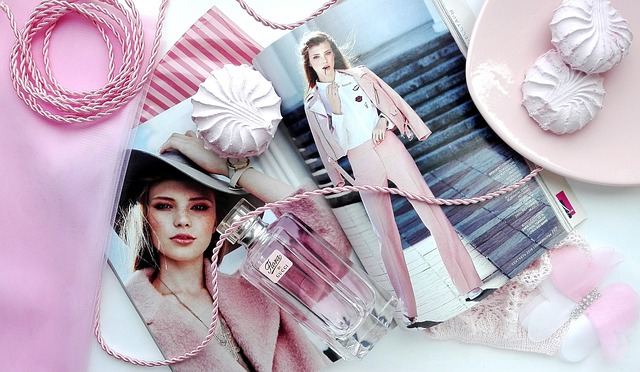
Introduction: The New Transparency in Fashion
Once reserved for red carpets and high fashion editorials, sheer fabrics have steadily drifted into everyday wardrobes. Organza, chiffon, tulle, and mesh — once considered too delicate or revealing — are now redefining what it means to dress with elegance and confidence. From Paris and Milan to Mumbai, transparency has become a metaphor for self-expression, confidence, and artistry.
But as the trend grows, a new question arises: how do we translate the allure of sheer fashion into more conservative or professional environments without crossing comfort lines?
Why Sheer is Trending Now
The rise of transparency in fashion can be linked to a few key shifts:
- Minimalism with a twist: Designers are seeking lightness and simplicity after years of heavy, maximalist fashion. Sheer fabrics provide structure without bulk.
- Textural layering: Sheer fabrics let designers play with depth — creating visual interest by combining opacity and translucency.
- Body positivity and confidence: Transparency celebrates, rather than conceals, the human form — echoing fashion’s larger movement toward authenticity.
Spring/Summer 2025 runways from Dior, Prada, and Simone Rocha featured layered sheers — dresses over trousers, transparent jackets, and ethereal blouses paired with structured skirts — proving that transparency can be refined, not risqué.
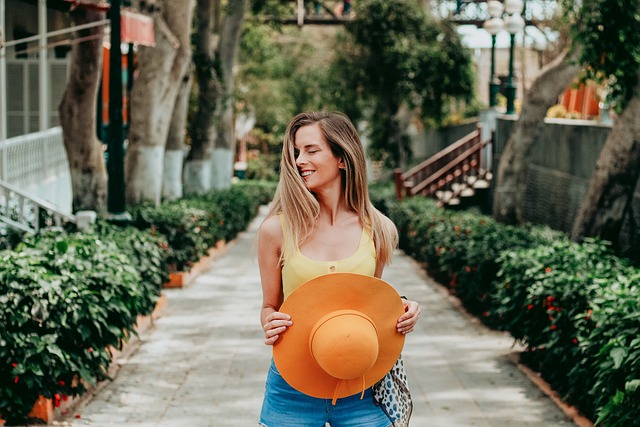
The Art of Layering Sheer Fabrics
Layering is key to making the sheer trend wearable and versatile. Here are a few styling directions that make transparency sophisticated rather than revealing:
- Tone-on-Tone Layering:
Combine sheer tops with slip dresses, camisoles, or full-coverage underlayers in similar shades. The result is monochrome elegance that flatters without overexposure. - Contrast Textures:
Pair sheer fabrics with heavier textiles — denim, linen, wool — for visual balance. A chiffon blouse under a structured blazer, for instance, adds femininity without compromising professionalism. - Strategic Transparency:
Designers increasingly place sheer panels or sleeves strategically — offering glimpses of skin while maintaining coverage elsewhere. It’s modern sensuality with subtlety. - Accessorize Smartly:
Minimal jewelry and neutral tones prevent the look from feeling too “evening.” Add belts or structured bags to ground the outfit in practicality.
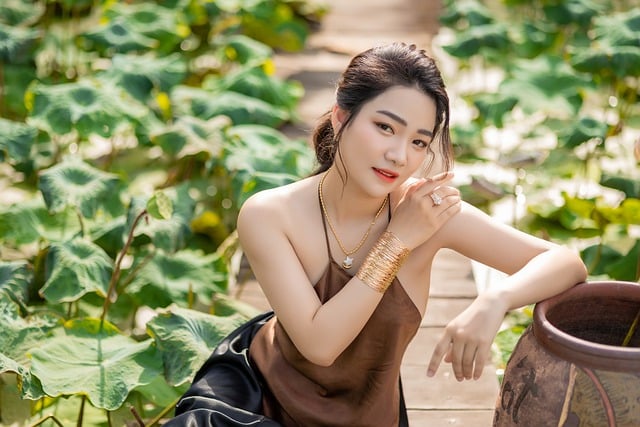
Sheer in Conservative Markets
In regions where modesty or formality guides dressing — such as South Asia, the Middle East, or corporate workplaces globally — sheer fashion is evolving in unique ways:
- Cultural Adaptation:
In India, sheer dupattas and sleeves have long been part of traditional attire. Designers are now extending that ethos into Western silhouettes — using layered sheer saris, translucent kurtas, or see-through overlays on crop tops to balance tradition and trend. - Office-Ready Sheers:
Sheer doesn’t have to mean skin. A sheer blouse layered over an opaque camisole or a sheer organza jacket over a midi dress can add lightness to office looks without breaking decorum. - Evening Elegance:
For festive or semi-formal occasions, sheer sarees with embroidered borders, or gowns with sheer overlays, allow for glamour without excess exposure.
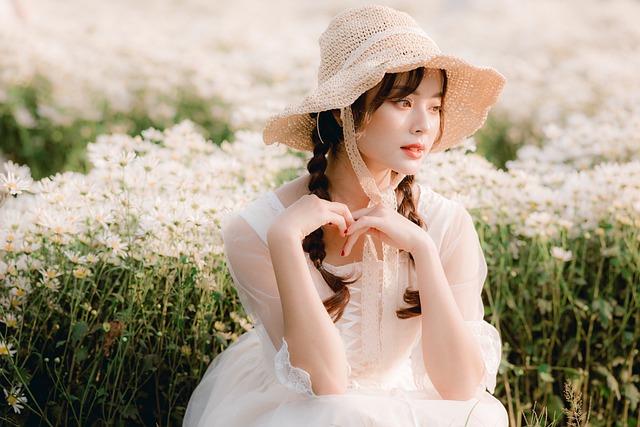
Why the Trend Works
Transparency, at its core, is about honesty and confidence — qualities that resonate with modern consumers. It challenges traditional norms of concealment and control, offering instead an empowered reinterpretation of visibility.
For professionals and modest dressers alike, sheer fabrics — when thoughtfully layered — communicate both strength and sophistication.
Final Thoughts: The Future Is Light
As fashion moves toward fluidity and self-expression, sheer fabrics are poised to remain a major influence. Their adaptability makes them ideal for a world that wants both beauty and balance — lightness without loss of dignity.
In 2025, the art of dressing transparently isn’t about exposure; it’s about expression.