A Journey Through States of Water
Water is one of the most important natural resources on Earth. It is essential for all living organisms, including plants, animals, and human beings. Without water, life on Earth would not be possible. Water is used for drinking, cooking, cleaning, farming, industries, and many other daily activities. What makes water very special is that it exists in three different states—solid, liquid, and gas. Water keeps changing from one state to another due to heating and cooling. This continuous change is known as the journey through states of water.
Water and Its Importance
Water covers about two-thirds of the Earth’s surface. It is found in rivers, lakes, oceans, seas, ponds, glaciers, underground sources, and even in the air. All living beings need water to survive. Plants use water to prepare their food, animals drink water to stay healthy, and humans use water in many ways in their daily lives. Water also helps in maintaining the temperature of our body and the balance of nature.
Apart from being useful, water also plays a very important role in shaping the Earth. Rivers carve valleys, rain supports crops, and oceans control the climate. Because of all these reasons, water is considered a precious natural resource.
States of Water
Water exists in three different states:
Solid state (Ice)
Liquid state (Water)
Gaseous state (Water vapour)
The state of water depends on temperature and atmospheric conditions. Let us understand each state in detail.
Solid State of Water – Ice
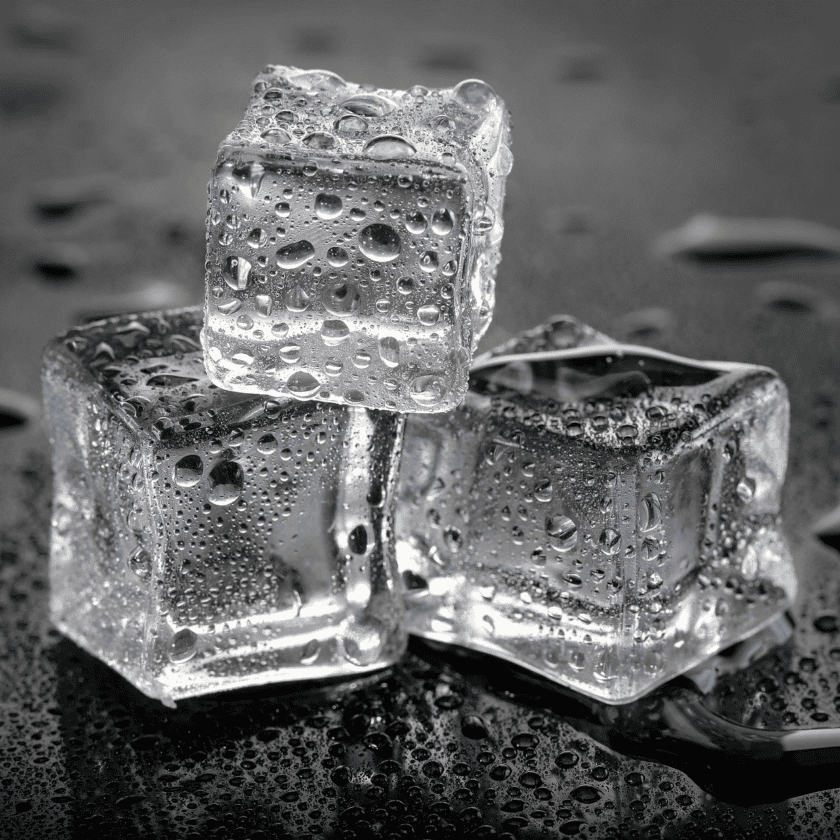
The solid state of water is called ice. Ice has a fixed shape and fixed volume. When water is cooled to 0°C, it freezes and changes into ice. This temperature is called the freezing point of water.
Ice is found in many places on Earth, such as glaciers, polar regions, snow-covered mountains, and icebergs. In very cold regions, rivers and lakes may freeze during winter. Ice is also made artificially in refrigerators and freezers.
Ice is hard and cannot flow like water. The process of changing water into ice by cooling is called freezing. Freezing happens when heat is removed from water. Ice is lighter than water and floats on water, which is very important for aquatic life because it prevents lakes and ponds from freezing completely.
Liquid State of Water – Water
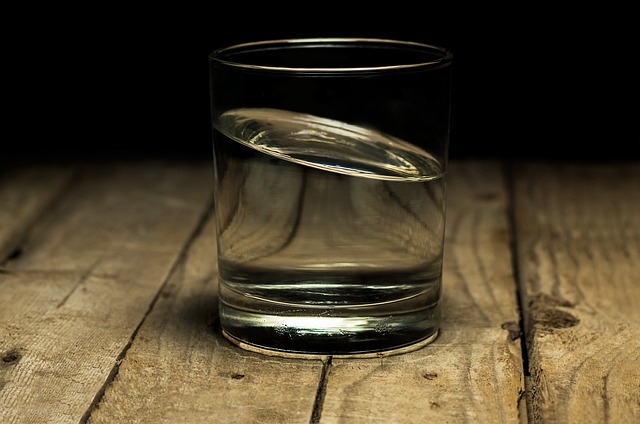
The liquid state of water is the most common and useful form. Liquid water has a fixed volume but no fixed shape. It takes the shape of the container in which it is kept. Water can flow easily from one place to another.
Liquid water is found in rivers, lakes, ponds, oceans, seas, and underground sources. It is also present in rain and snow after melting. We use water for drinking, bathing, washing clothes, cooking food, watering plants, and many other purposes.
When ice is heated, it changes into water. This process is known as melting. Ice melts at 0°C, which is also called the melting point of ice. During melting, ice absorbs heat and changes into liquid water.
Gaseous State of Water – Water Vapour
The gaseous state of water is called water vapour. Water vapour has no fixed shape and no fixed volume. It spreads freely in the air and mixes with other gases. Water vapour is invisible, but its presence can be felt in humid weather.
When water is heated, it changes into water vapour. This change can happen in two ways—evaporation and boiling.
Evaporation
Evaporation is the process by which water slowly changes into water vapour at any temperature. It does not require water to reach its boiling point. Evaporation takes place from the surface of water.
Several factors affect evaporation:
Heat:
Higher temperature increases evaporation.
Wind:
Faster wind carries away water vapour and increases evaporation.
Surface area:
A larger surface area leads to faster evaporation.
A common example of evaporation is the drying of wet clothes. Clothes dry faster on a hot and windy day. Evaporation causes cooling, which is why we feel cool when sweat evaporates from our skin.
Boiling
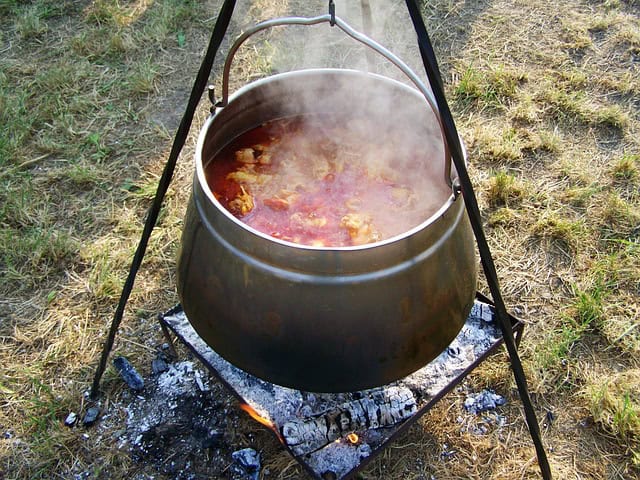
Boiling is a fast process of changing water into water vapour. When water is heated to 100°C, it starts boiling. This temperature is called the boiling point of water. During boiling, bubbles of water vapour form inside the water and rise to the surface.
Boiling is used in cooking food and purifying water. Unlike evaporation, boiling happens at a fixed temperature and throughout the liquid.
Condensation
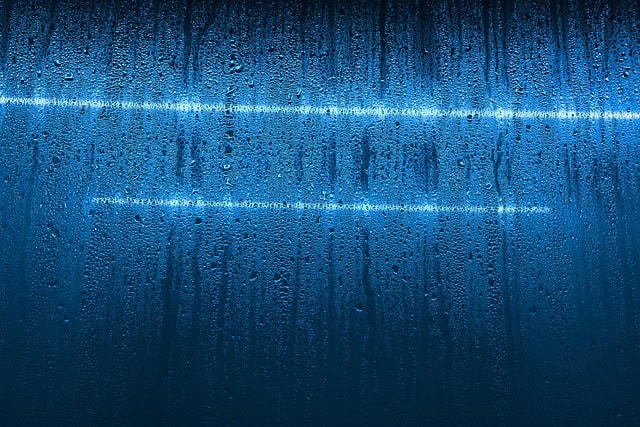
Condensation is the process by which water vapour changes back into liquid water on cooling. When warm water vapour comes in contact with a cold surface, it loses heat and turns into tiny water droplets.
A common example of condensation is the formation of water droplets on the outside of a cold glass or bottle. Condensation is also responsible for the formation of clouds in the sky.
Sublimation (Extra Information)
In some special cases, ice can change directly into water vapour without becoming liquid water. This process is called sublimation. It usually happens in very cold and dry regions.
Water Cycle
The water cycle is the continuous movement of water on Earth and in the atmosphere. It shows how water changes its state again and again in nature. The water cycle has four main steps:
Evaporation: Water from oceans, rivers, lakes, and ponds changes into water vapour due to the heat of the Sun.
Condensation: Water vapour rises, cools down, and forms tiny droplets that make clouds.
Precipitation: When clouds become heavy, water falls back to Earth as rain, snow, or hail.
Collection: Water collects in rivers, lakes, oceans, and underground sources and the cycle continues.
The water cycle is very important because it helps in maintaining the water supply on Earth and supports all forms of life.
Importance of Changes in States of Water
The change of states of water is very important for nature and life on Earth. Rainfall helps in growing crops and providing drinking water. Snow stored in mountains melts and supplies water to rivers. Evaporation and condensation help in regulating Earth’s temperature and climate.
These changes also help in cleaning the atmosphere and distributing fresh water to different parts of the world.
Conservation of Water
Although water is abundant on Earth, usable freshwater is limited. Due to pollution, population growth, and wastage, water scarcity is increasing in many parts of the world. Therefore, it is important to conserve water.
We can save water by:
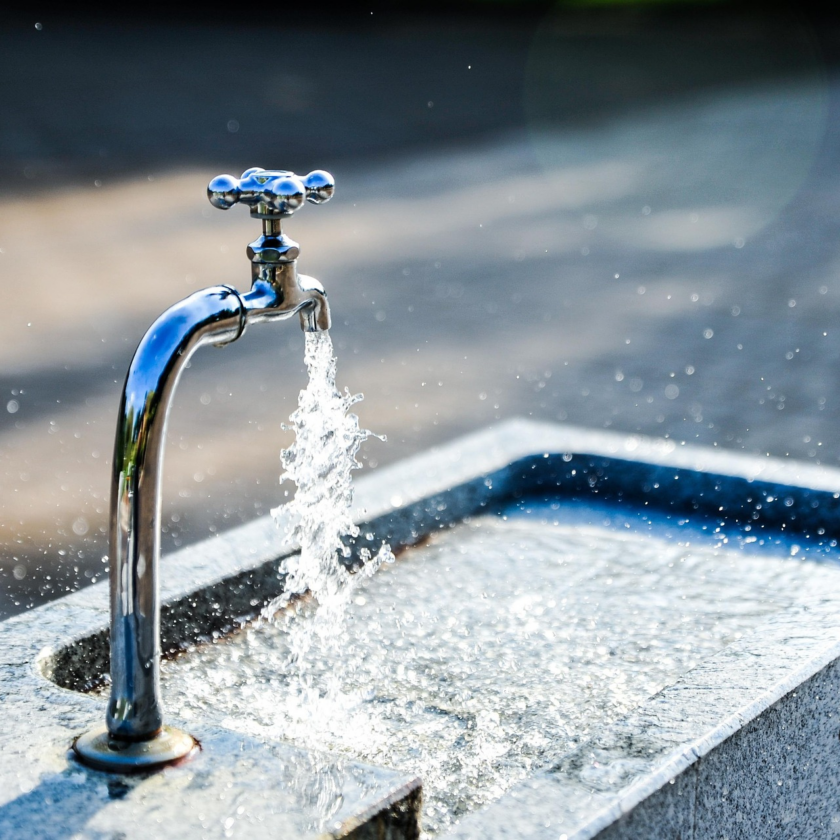
Turning off taps when not in use
Using water carefully at home
Collecting rainwater
Preventing water pollution
Conclusion
Water is a unique substance that exists in three states—solid, liquid, and gas. The journey of water through these states takes place due to heating and cooling. Processes like melting, freezing, evaporation, boiling, and condensation help water change from one state to another. The water cycle shows how water moves continuously in nature and supports life on Earth. Understanding the journey through states of water helps us appreciate the importance of water and encourages us to use it wisely.