
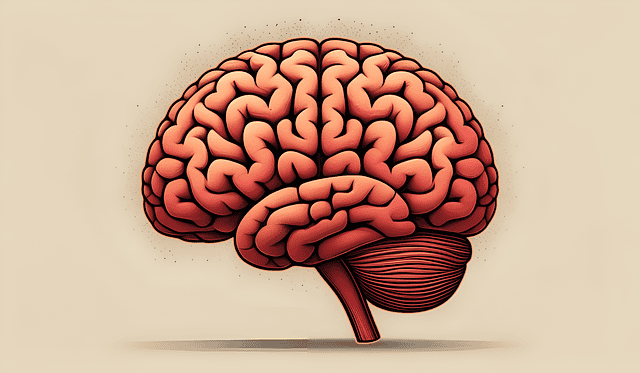
In today’s fast-paced world, maintaining concentration and mental clarity has become increasingly important. Whether it is studying for an examination, working on an important project, or simply managing everyday responsibilities, the brain requires adequate nutrition to function effectively. Although no single food can dramatically improve intelligence or concentration overnight, a balanced diet containing essential nutrients can support brain health, memory, attention, and overall cognitive function.
The Connection Between Food and the Brain
The brain is one of the body’s most energy-demanding organs. It requires a continuous supply of energy and nutrients to perform functions such as learning, memory, decision-making, and concentration. Blood glucose provides much of the brain’s immediate energy, while nutrients such as omega-3 fatty acids, vitamins, minerals, antioxidants, and protein contribute to the maintenance and functioning of brain cells.
Poor dietary habits, irregular meals, and excessive consumption of highly processed foods may contribute to fluctuations in energy and difficulty maintaining focus. On the other hand, choosing nutrient-rich foods as part of a balanced diet can help provide the brain with the nutrients it needs.

1. Fatty Fish
Fatty fish such as salmon, sardines, mackerel, and trout are excellent sources of omega-3 fatty acids, particularly DHA (docosahexaenoic acid). DHA is an important structural component of the brain and plays a role in the normal functioning of brain cells.
For people who eat fish, including fatty fish in meals can be a useful way to obtain omega-3 fatty acids. Vegetarians and vegans can consider plant sources such as flaxseeds, chia seeds, and walnuts, although the type of omega-3 they provide differs from the DHA found in fish.
2. Nuts and Seeds
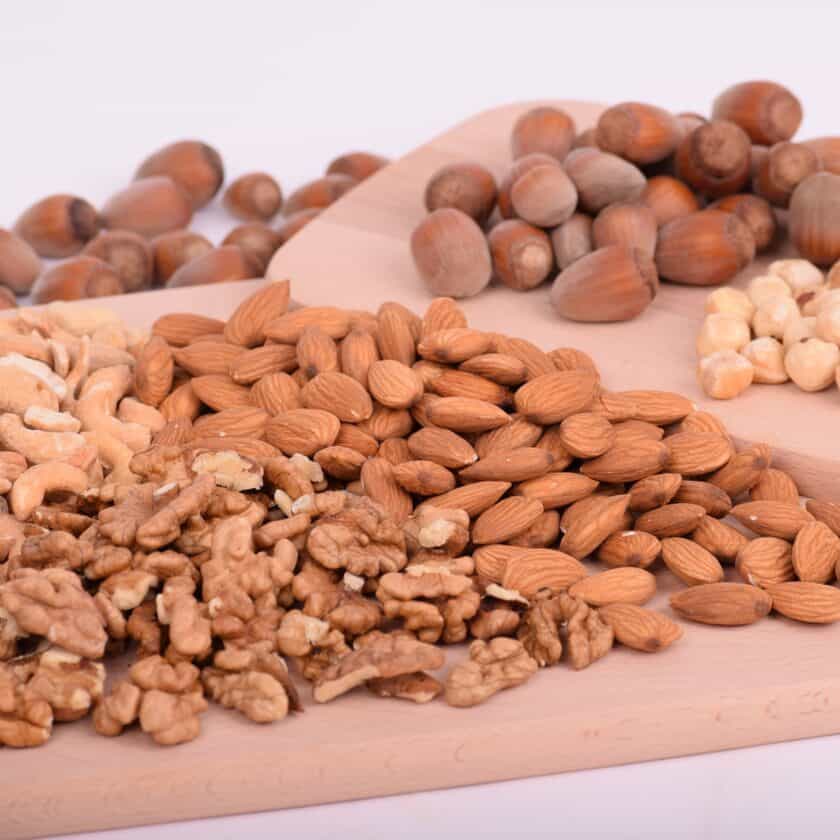
Nuts and seeds are convenient, nutrient-dense foods that can be incorporated into a healthy diet. Walnuts, almonds, pumpkin seeds, sunflower seeds, chia seeds, and flaxseeds provide combinations of healthy fats, protein, fiber, vitamins, minerals, and antioxidant compounds.
For example, walnuts contain omega-3 fatty acids, while pumpkin seeds provide minerals such as magnesium and zinc. A small handful of unsalted nuts and seeds can make a nutritious snack during a busy study or workday.

3. Eggs
Eggs are a versatile source of high-quality protein and contain several nutrients involved in normal brain function. One particularly important nutrient is choline, which contributes to the production of acetylcholine, a neurotransmitter involved in memory and other nervous-system functions.
Eggs can be included in breakfast or other meals, making them an easy addition to a balanced diet.
4. Berries and Other Colorful Fruits
Berries such as blueberries, strawberries, and blackberries contain antioxidants and plant compounds called flavonoids. These compounds are being studied for their potential role in supporting brain health.
Other colorful fruits, including oranges, grapes, pomegranates, and apples, also provide vitamins, minerals, fiber, and various plant compounds. Eating a variety of fruits is therefore more beneficial than focusing on a single so-called “brain food.”

5. Leafy Green Vegetables
Green leafy vegetables such as spinach, kale, fenugreek leaves, and other leafy greens provide nutrients including folate, vitamin K, carotenoids, and other beneficial plant compounds.
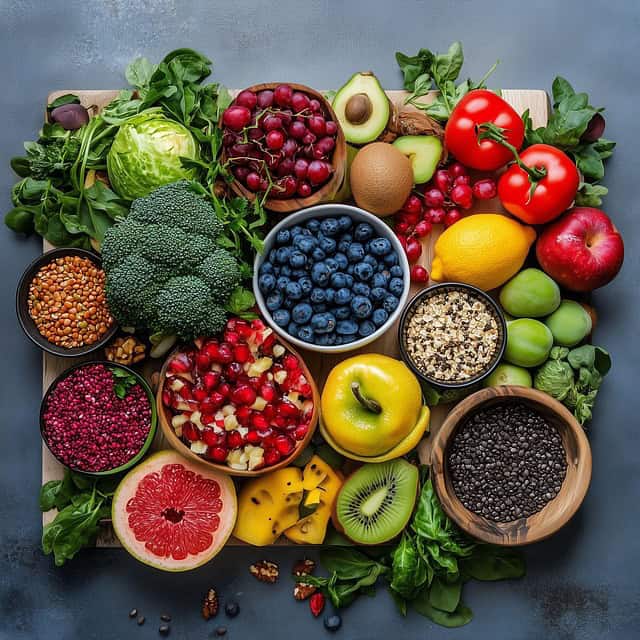
Including vegetables in regular meals helps increase the overall nutrient density of the diet. A colorful plate containing different vegetables can provide a broader range of nutrients that support general health, including brain health.
6. Whole Grains
The brain needs a steady supply of energy, and whole grains can be a useful source of carbohydrates along with fiber and other nutrients. Foods such as oats, brown rice, whole-wheat bread, quinoa, and millets can be part of balanced meals.
Unlike highly refined carbohydrates, whole grains generally contain more fiber, which can help slow digestion and contribute to a steadier release of energy.
7. Legumes and Pulses
Beans, lentils, chickpeas, peas, and other legumes are valuable sources of plant protein, complex carbohydrates, fiber, iron, folate, and other nutrients.
For people following vegetarian diets, pulses and legumes can be particularly important. Traditional foods such as dal, chana, rajma, and sprouts can contribute to a nutritious diet while providing sustained energy.
8. Dark Chocolate and Cocoa
Dark chocolate and unsweetened cocoa contain flavonoids and other plant compounds. Cocoa also contains small amounts of caffeine, which can temporarily increase alertness in some people.
However, not all chocolate products are nutritionally equivalent. Many commercial chocolate products contain considerable amounts of added sugar and saturated fat. Therefore, dark chocolate is best consumed in moderation rather than viewed as a treatment for poor concentration.
9. Yogurt and Other Fermented Foods
The gut and brain communicate through a complex network often referred to as the gut-brain axis. Yogurt containing live cultures and other fermented foods can contribute to dietary diversity and, depending on the product, provide beneficial microorganisms.
While research into the relationship between the gut microbiome and cognitive function is still developing, maintaining a healthy digestive system is an important part of overall health.

10. Water
Food often receives all the attention when discussing brain health, but hydration is equally important. Even mild dehydration can be associated with symptoms such as tiredness, headache, and difficulty concentrating.
Drinking enough water throughout the day is a simple habit that can support normal physical and cognitive functioning. Individual fluid requirements vary depending on factors such as climate, physical activity, age, and health status.
The Importance of Overall Eating Patterns
It is tempting to search for one “miracle food” that can instantly improve memory or concentration. In reality, cognitive health is influenced by the overall quality of the diet and lifestyle.
A brain-supportive eating pattern can include:
Plenty of vegetables and fruits
Whole grains and other high-fiber carbohydrates
Pulses, beans, and other protein-rich foods
Nuts and seeds
Healthy sources of fats
Adequate water
Moderate amounts of minimally processed foods
Limited intake of foods high in added sugar and unhealthy fats
Regular physical activity, sufficient sleep, stress management, and mental stimulation are also important for maintaining cognitive health.
Conclusion
The food we eat provides the nutrients and energy required for the brain to perform its many functions. Fatty fish, nuts and seeds, eggs, fruits, leafy vegetables, whole grains, legumes, yogurt, and adequate water can all form part of a nutritious diet that supports normal brain function.
However, good concentration cannot be achieved through food alone. A balanced diet works best when combined with adequate sleep, regular physical activity, hydration, and healthy daily habits. Rather than searching for a single “brain-boosting” food, the better approach is to build a varied and balanced diet that nourishes both the body and the mind.
Ultimately, taking care of the brain begins with taking care of the overall diet—and small, consistent food choices can make a meaningful contribution to long-term health and well-being.