Feeling tired throughout the day can make even simple tasks feel difficult. While poor sleep, stress, dehydration, and certain health conditions can all contribute to low energy, your food choices also play an important role in how alert and steady you feel.
The body relies on food for fuel, but not all foods provide energy in the same way. Some may give you a quick boost followed by a sudden crash, while others help maintain more stable energy levels for several hours. Choosing the right balance of nutrients can make a noticeable difference in how you feel during the day.
Start With Slow-Releasing Carbohydrates
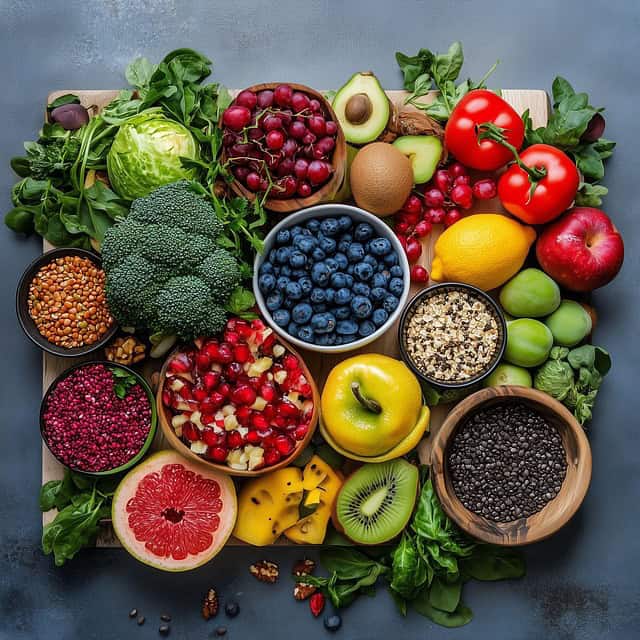
Carbohydrates are one of the body’s main sources of energy. However, highly refined carbohydrates such as sugary cereals, pastries, sweets, and some packaged snacks are digested quickly. This can cause blood sugar to rise rapidly and then fall, leaving you feeling tired or hungry again soon afterward.
For steadier energy, choose carbohydrates that contain more fiber and are digested more slowly. Good options include:
Oats
Brown rice
Whole-grain bread
Quinoa
Sweet potatoes
Beans and lentils
Whole fruits
Pairing these foods with protein or healthy fats can help make meals more satisfying and support more consistent energy throughout the day.
Include Protein at Every Meal
Protein is often associated with muscle building, but it also plays an important role in keeping meals balanced and filling. A meal that contains carbohydrates but very little protein may leave you hungry again sooner.
Protein-rich foods include eggs, yogurt, cottage cheese, fish, chicken, tofu, beans, lentils, nuts, and seeds.
For example, instead of having toast alone for breakfast, try whole-grain toast with eggs. Instead of eating fruit by itself as a snack, pair it with yogurt or a small handful of nuts.
These combinations provide carbohydrates for fuel along with protein and fat to help slow digestion and keep energy more stable.
Don’t Forget Iron-Rich Foods
Iron is needed to help transport oxygen throughout the body. When iron intake is too low, fatigue can be one of the symptoms.
Foods naturally rich in iron include lean meat, poultry, lentils, beans, spinach, fortified cereals, tofu, and seeds.
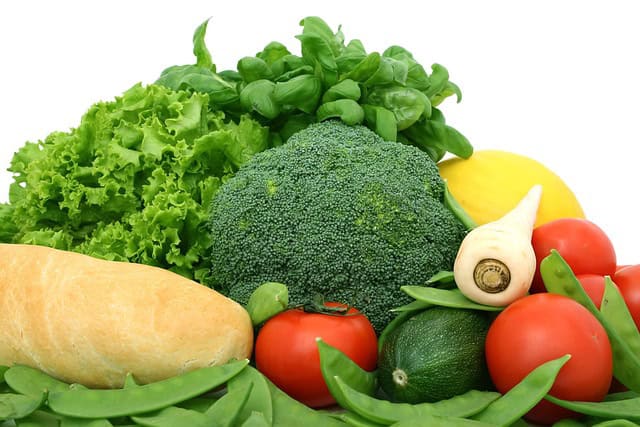
Plant-based sources of iron are absorbed more efficiently when eaten with vitamin C-rich foods. For example, you can add bell peppers or tomatoes to a lentil meal or have citrus fruit alongside an iron-rich breakfast.
Persistent fatigue should not automatically be assumed to be caused by low iron, though. If tiredness continues despite adequate rest and a balanced diet, it may be worth discussing it with a healthcare professional.
Stay Hydrated
Sometimes low energy is not about food at all. Even mild dehydration can make you feel sluggish and may affect concentration.
Water needs vary depending on factors such as climate, physical activity, and individual health needs. Instead of relying entirely on thirst, try drinking water regularly throughout the day.
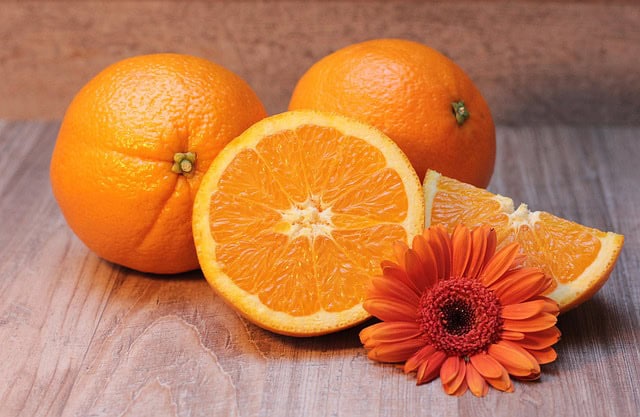
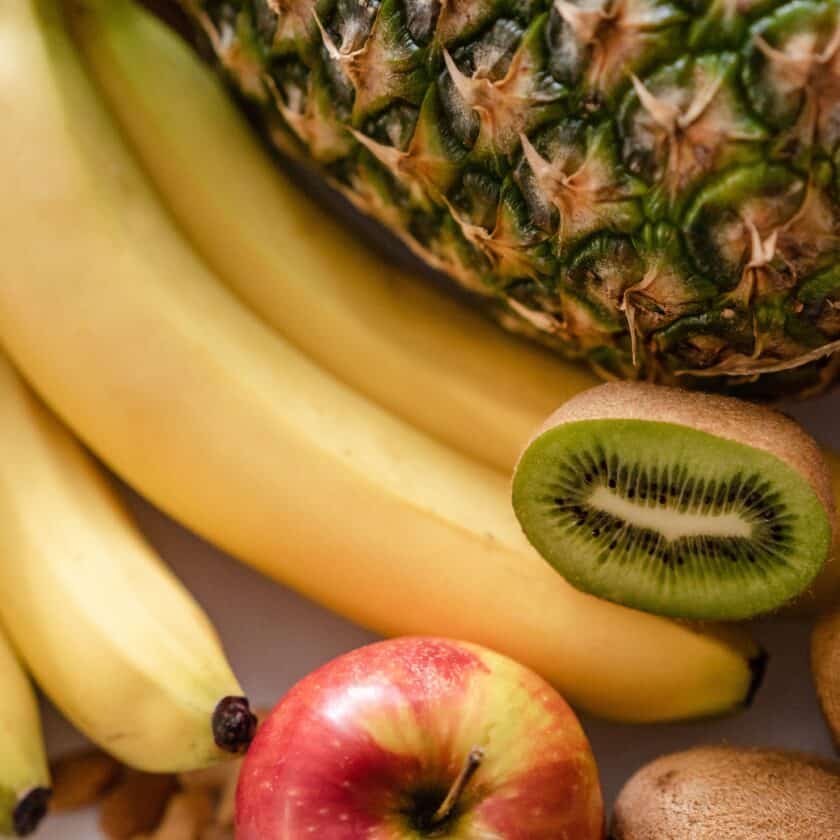
Foods with a high water content can also contribute to hydration. Watermelon, oranges, cucumbers, tomatoes, soups, and yogurt are useful additions to meals and snacks.
Tea and coffee can also contribute to fluid intake, but depending too heavily on caffeine for energy may create another problem.
Be Careful With the Caffeine Cycle
Coffee can temporarily improve alertness, which is why many people reach for it when they feel tired. However, repeatedly using caffeine to compensate for poor sleep may interfere with sleep later and contribute to an ongoing cycle of fatigue.
Large amounts of caffeine, particularly later in the day, may make it harder for some people to fall asleep or sleep deeply.
Instead of relying on another cup of coffee whenever your energy drops, consider whether you need water, food, movement, or simply better rest.
Choose Snacks That Actually Satisfy You
When afternoon tiredness hits, it is tempting to grab something sugary. While sweets can provide quick energy, the effect may not last very long.
A more balanced snack usually combines fiber, protein, or healthy fat. Examples include:
Apple with peanut butter
Greek yogurt with berries
Hummus with vegetables
Nuts with a piece of fruit
Whole-grain crackers with cheese
Roasted chickpeas
These snacks are more likely to keep hunger under control until your next meal.
Avoid Skipping Meals Regularly
Going for long periods without eating can leave some people feeling weak, irritable, or unable to concentrate. On the other hand, very large meals can sometimes make you feel sleepy afterward.
A regular eating pattern with balanced meals may help keep energy levels more predictable.
There is no single meal schedule that works for everyone. The goal is to find a routine that keeps you comfortably satisfied without depending on constant snacking or large amounts of caffeine.
Build Meals Around Balance
You do not need a special “energy food” to feel better during the day. A balanced meal can be surprisingly simple.
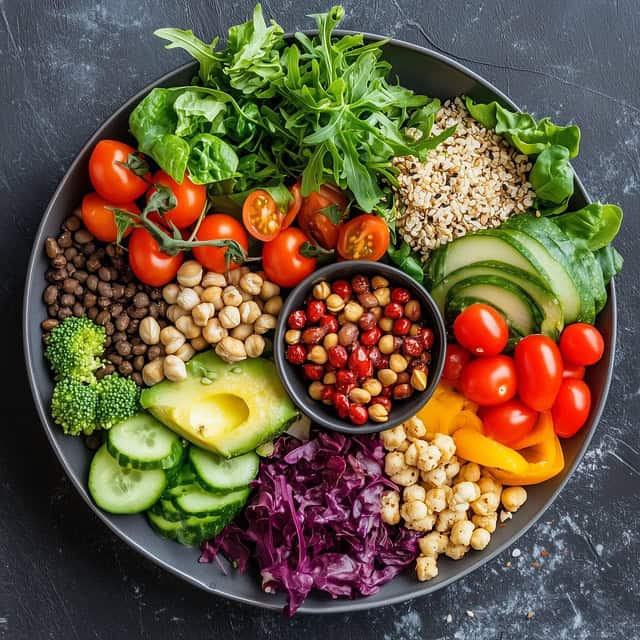
Aim to include a source of complex carbohydrates, protein, vegetables or fruit, and some healthy fat. A bowl with brown rice, vegetables, beans, and avocado, for example, provides several nutrients that support normal energy metabolism.
Most importantly, look at your overall eating pattern rather than expecting one food to fix fatigue.
Food can support better energy, but persistent or unexplained tiredness deserves attention. If you are sleeping adequately, eating well, and still feeling exhausted every day, consider speaking with a qualified healthcare professional to rule out underlying causes.