Protein has dominated discussions about nutrition for a long time. From gym enthusiasts to weight-loss seekers, high-protein diets have been seen as the gold standard for health. But recently, a new trend is reshaping how we think about food: fibermaxxing.
This emerging movement encourages people to intentionally increase their daily fiber intake—not just for digestion, but for overall health. As research continues to highlight the wide-ranging benefits of fiber, many experts are beginning to ask an important question: Is fiber becoming more important than protein?
What is Fibermaxxing?
“Fibermaxxing” is a modern nutrition trend focused on maximizing fiber intake through whole, plant-based foods. Unlike restrictive diets, it emphasizes adding beneficial foods rather than cutting things out.
Foods made from plants comprise fiber, a kind of carbohydrate that the body is unable to completely digest. Instead of being broken down for energy, it supports various bodily functions—especially in the digestive system.
There are two main types of fiber:
Soluble fiber:
Dissolves in water and helps regulate blood sugar and cholesterol
Insoluble fiber:
gives feces more volume and promotes good digestion.
Both are essential for maintaining overall health.
Why is Fiber Getting So Much Attention?
1. Gut Health is Now a Priority
Fiber serves as fuel for beneficial microorganisms living in the gut.
A healthy gut microbiome is linked to improved digestion, stronger immunity, and even better mental health.
2. Supports Weight Management
Because they digest gradually, high-fiber foods help control hunger more effectively.
3. Helps Prevent Chronic Diseases
Research shows that adequate fiber intake is associated with a lower risk of:
Heart disease
Type 2 diabetes
Certain digestive disorders
4. Most People Are Deficient
Despite its importance, many people consume far less fiber than recommended. This gap has made fiber a key focus in modern nutrition discussions.
Top High-Fiber Foods for Everyday Diet
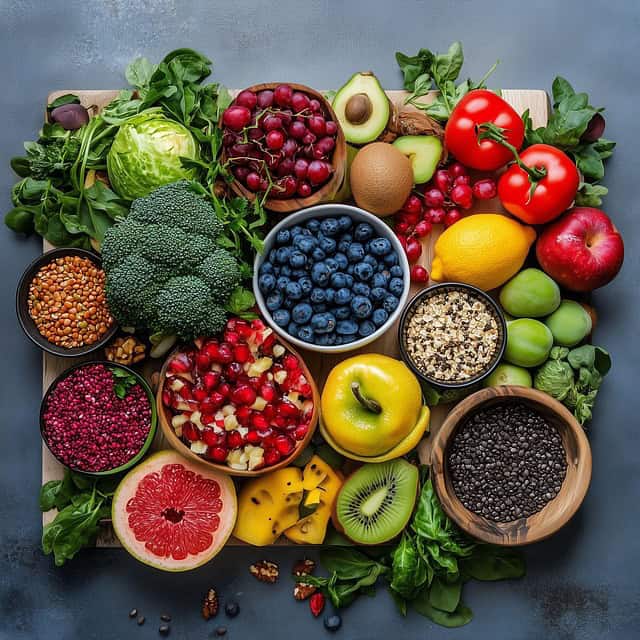
Incorporating fiber into your daily meals doesn’t have to be complicated. Some of the best naturally occurring sources include:
🌾 Whole Grains
Oats
Brown rice
Whole wheat
Quinoa
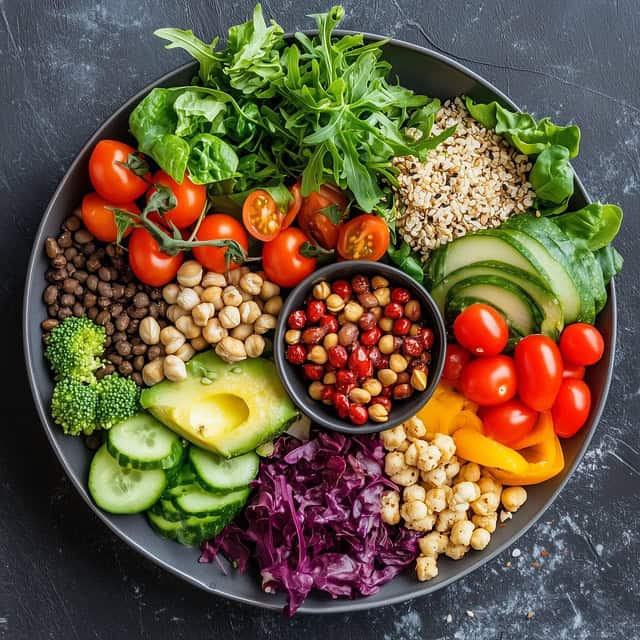
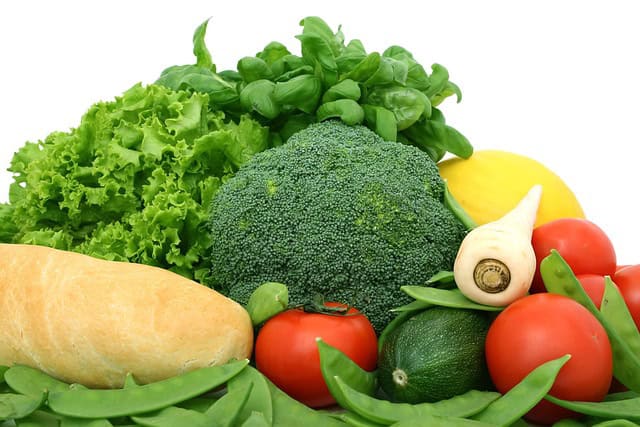
🥦 Vegetables
Broccoli
Carrots
Spinach
Sweet potatoes
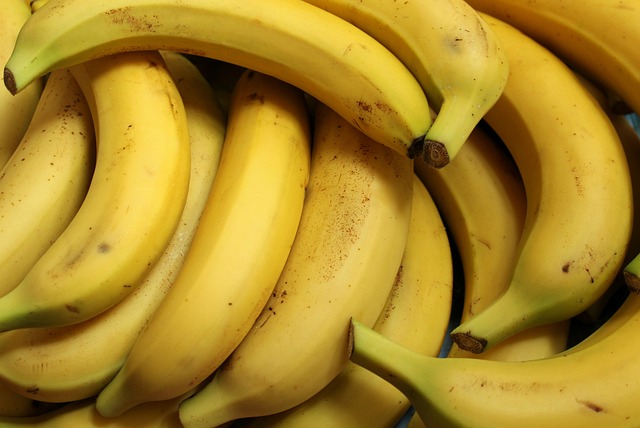
🍎 Fruits
Apples (with skin)
Bananas
Berries
Oranges
🫘 Legumes
Lentils
Chickpeas
Kidney beans
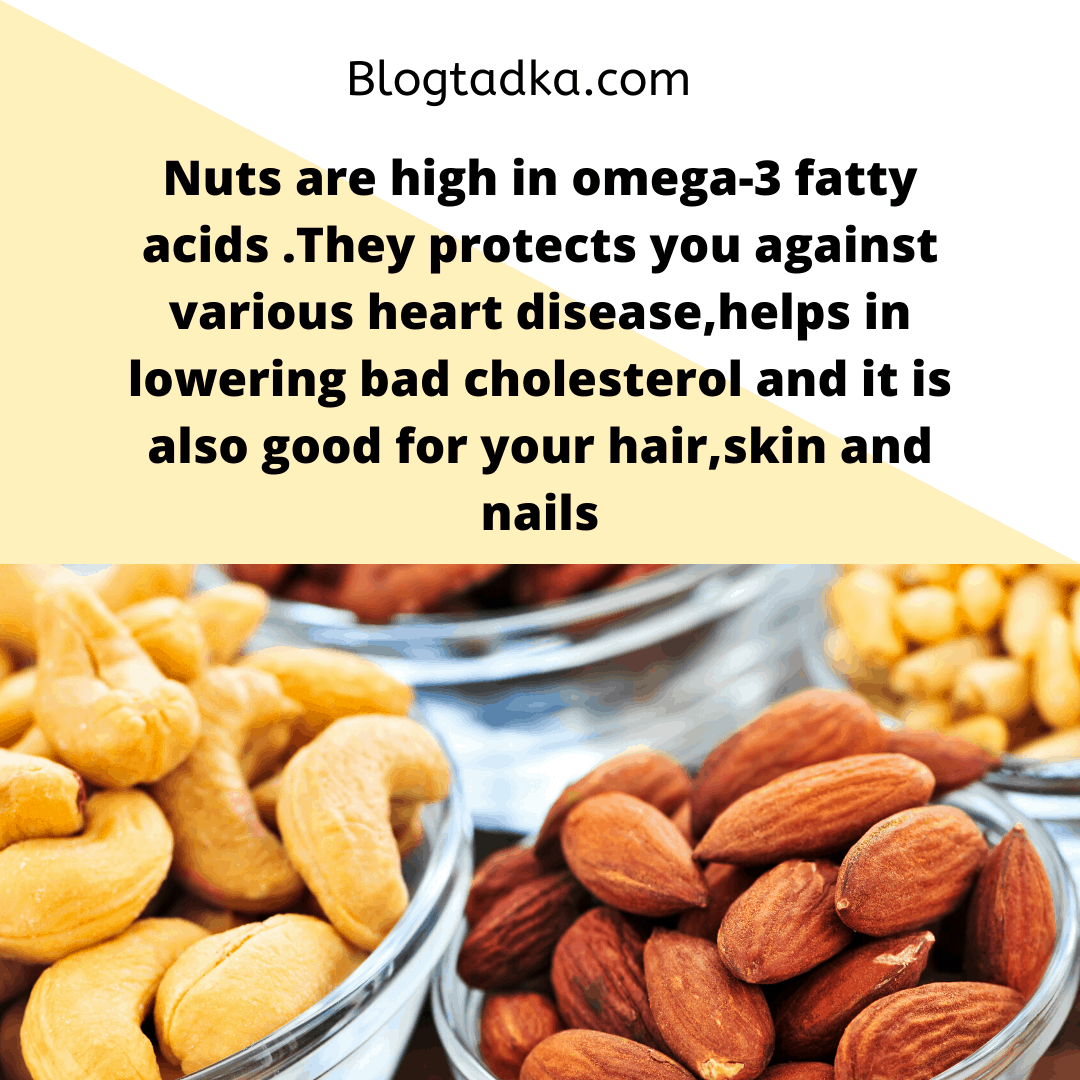
🌰 Nuts & Seeds
Almonds
Chia seeds
Flaxseeds
Adding a mix of these foods to your meals can significantly boost your fiber intake.
Is Fiber More Important Than Protein Now?
The idea that fiber is replacing protein is a bit misleading. Both nutrients serve very different and equally important roles in the body.
Why Protein Still Matters
Protein is essential for:
Muscle repair and growth
Hormone production
Enzyme function
Why Fiber is Catching Up
Fiber, however, is gaining attention because:
It supports long-term health rather than just muscle building
It addresses widespread deficiencies in modern diets
It impacts multiple systems, including digestion, metabolism, and immunity
The Real Answer: Balance Over Competition
Instead of choosing between fiber and protein, the best approach is to prioritize both. A balanced diet that includes adequate protein and sufficient fiber is key to optimal health.
How to Start Fibermaxxing Safely
If you want to increase your fiber intake, do it gradually to avoid digestive discomfort.
Simple tips:
Kick off your day by eating oats or whole-grain options.
Try to include vegetables with every meal you eat.
Snack on fruits, nuts, or seeds
Replace refined grains with whole grains
Drink plenty of water
Conclusion
The rise of fibermaxxing reflects a broader shift in nutrition—from focusing on single nutrients like protein to embracing a more holistic approach to health. Fiber is no longer just about digestion; it is now recognized as a cornerstone of overall well-being.
While protein remains essential, fiber is finally getting the attention it deserves. Rather than replacing one with the other, the future of nutrition lies in balance—where both fiber and protein work together to support a healthier life