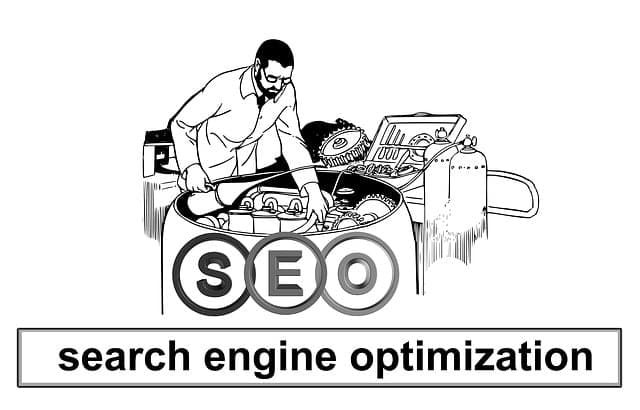

In 2026, the world of digital search is undergoing one of the biggest shifts in its history. For many years, marketers focused on traditional Search Engine Optimization (SEO) — optimizing pages to rank high on Google and other engines. But with the rise of AI-powered search engines that generate answers instead of just listing links, we are now entering a new era: Generative Engine Optimization or GEO.
At its core, GEO is about making your content visible and valuable to generative AI systems — the engines that synthesize answers and responses directly for users rather than sending them to a list of links. In this context, appearing in an AI-generated answer can be far more impactful than ranking on page one of a SERP.

Why GEO Matters Now
Generative search engines such as ChatGPT, Google’s AI interfaces, and other LLM-based systems increasingly power people’s search behavior. These systems analyze content and use it to generate direct responses to user queries. As a result:
Traditional keyword-centric ranking alone no longer guarantees visibility. Modern AI systems prioritize topic relevance and depth over keyword density.
Search experiences are becoming zero-click — users get answers without clicking through to websites. Being included in the AI response becomes more valuable than driving clicks alone.
This trend means that strong SEO fundamentals still matter, but they must be paired with a strategy that considers how AI models retrieve, understand, and cite content.
🔍 How GEO Differs from Traditional SEO
In traditional SEO:
The goal is to rank higher in search engine result pages.
Metrics are mostly about click-throughs, impressions, and keyword rankings.
In GEO:
The objective is to get your content cited or referenced by generative AI responses.
Success is measured by mentions, citations, and the frequency with which AI systems use your content to answer user queries.
This means structuring your content to be easily extractable and authoritative for AI systems, not just descriptive enough for algorithms to serve it on page one.
🧠 What Makes Content GEO-Ready
To perform well in the GEO era, marketers must shift their mindset from writing for search engines to writing for AI models that serve users answers. This includes:
1. Structuring content for clarity
AI systems favor content that is logically organized with clear definitions, summaries, and discrete answer blocks — formats that are easy for an AI to pull when responding to a question.
2. Topic-centric writing over keyword manipulation
Instead of obsessing over individual keywords, writers should focus on covering a topic comprehensively and contextually. This means addressing related sub-questions, common concerns, and deeper insights around a subject.
3. Establishing topical authority
AI engines value credibility. Content that demonstrates real experience, expertise, and trustworthiness is more likely to be used in generative answers. Citation of sources, author attributions, and current data all help reinforce authority.

⚙️ Best Practices for GEO in 2026
Here are some practical ways to adapt your content strategy:
Lead with clear answers — put concise explanations at the top of sections so AI can easily lift them for replies.
Use modular content formats — sections like FAQs, definition blocks, and numbered steps increase your likeliahood of inclusion.
Focus on multi-format optimization — AI also pulls from videos, infographics, and transcripts, making diverse content assets valuable.
Track AI citations — instead of only tracking traditional SEO metrics, monitor how often your content is cited in AI systems (where possible).
🚀 Conclusion
Generative Engine Optimization is not a replacement for SEO — but it redefines how success is measured in a world where AI answers are the new norm. In 2026, marketers must evolve from simply chasing page rankings to ensuring their content becomes the trusted source for AI systems. Those who master this shift will not only maintain visibility but will establish deeper authority in an increasingly AI-driven search ecosystem