In recent years, plant-based diets have surged in popularity. From social media influencers to medical professionals, many praise plant-forward eating as the key to better health, longevity, and sustainability. Grocery shelves are now packed with plant-based alternatives, often marketed as “clean,” “natural,” or “heart-healthy.” But does a plant-based diet truly live up to its reputation, or is it partly a health halo effect driven by trends and marketing?
Understanding the “Health Halo”
A health halo occurs when a food or diet is perceived as healthy based on one positive attribute, even if the overall nutritional quality is questionable. In the case of plant-based diets, the assumption is often that anything plant-derived is automatically healthy. This belief can lead consumers to overestimate the benefits of highly processed plant-based foods such as vegan burgers, snacks, or desserts that may still be high in sodium, sugar, or unhealthy fats.
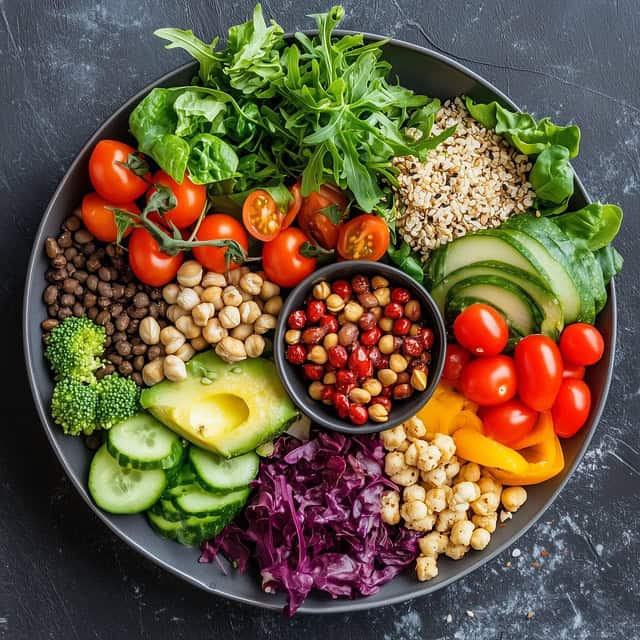
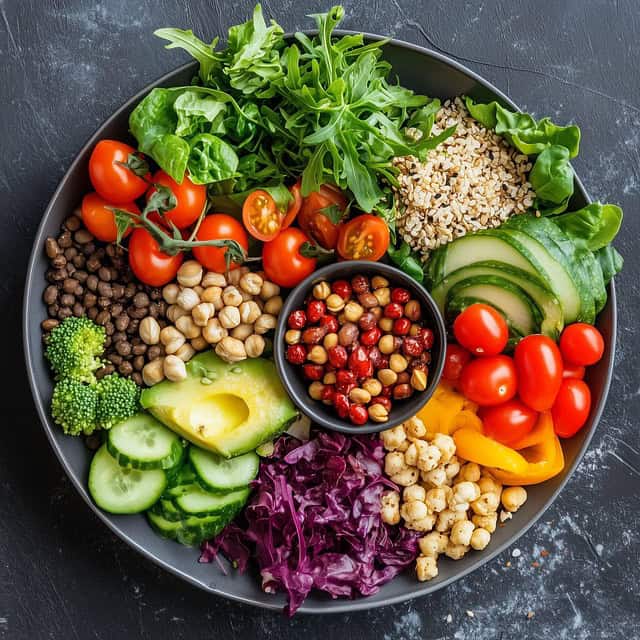
Not all plant-based diets are created equal. A diet centered on whole grains, legumes, fruits, vegetables, nuts, and seeds is very different from one built around refined carbohydrates and ultra-processed meat substitutes.
The Genuine Health Benefits
When well-planned and based on whole foods, plant-based diets offer substantial, evidence-backed health benefits.
Research consistently shows that plant-rich diets are associated with:
Lower risk of heart disease, due to reduced saturated fat intake and higher fiber consumption
Improved blood sugar control, which can help prevent or manage type 2 diabetes
Better digestive health, thanks to fiber and diverse plant compounds that support gut microbiota
Reduced inflammation, linked to antioxidants and phytochemicals found in plants
Healthy weight management, as plant foods are generally less energy-dense and more filling
Populations that traditionally follow plant-forward diets often demonstrate lower rates of chronic diseases, reinforcing the idea that plants play a protective role in long-term health.
Potential Nutritional Gaps
Despite its benefits, a plant-based diet is not automatically nutritionally complete. Without careful planning, deficiencies may arise—particularly in:
Vitamin B12
Iron
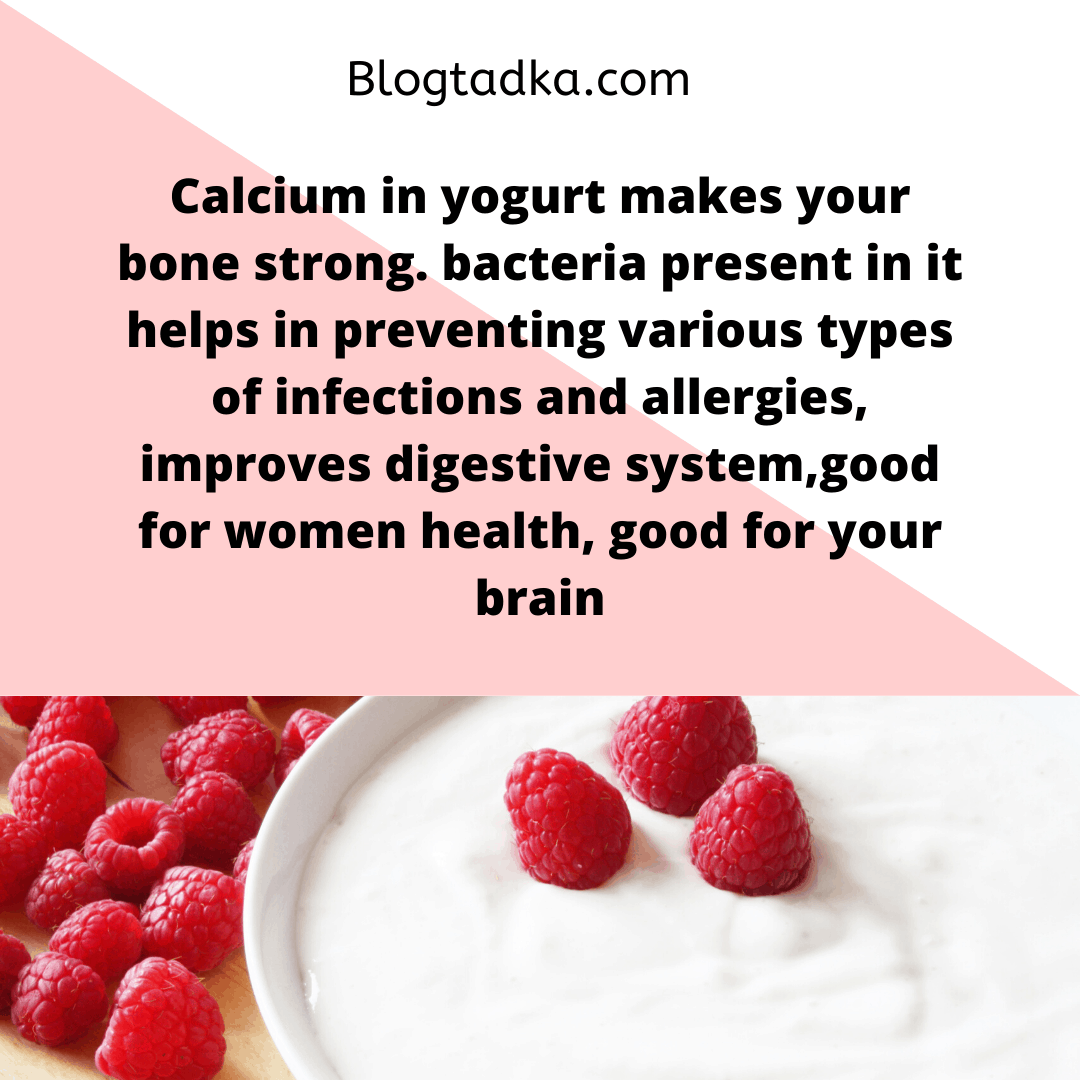
Calcium
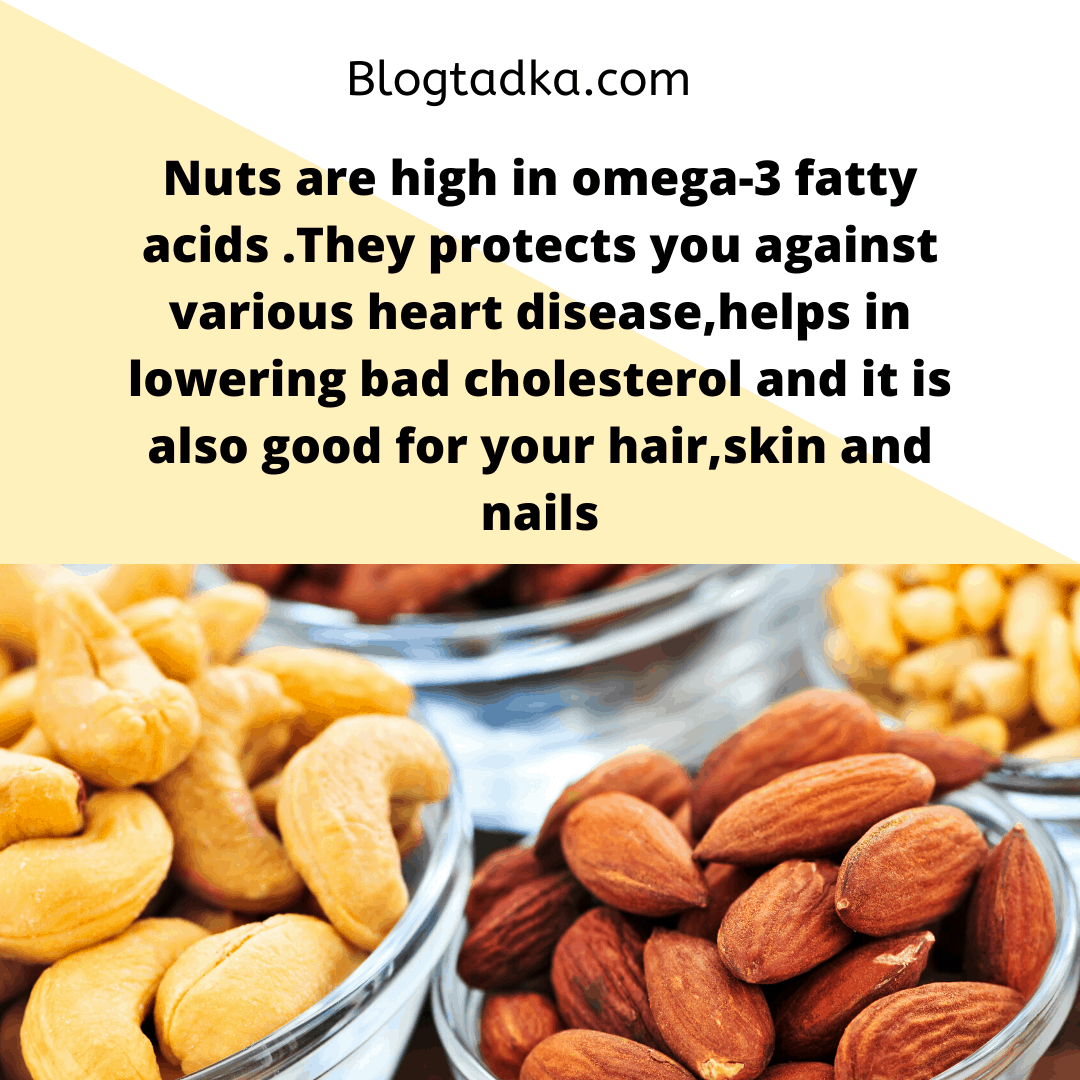
Omega-3 fatty acids
Zinc and iodine
These nutrients can be obtained through fortified foods, supplements, or strategic food choices, but ignoring them can undermine the health benefits of the diet.
Processed Plant-Based Foods: A Double-Edged Sword
The growing plant-based food industry has made these diets more accessible, but it has also blurred the line between healthy and unhealthy choices. Some plant-based products are heavily processed and nutritionally comparable to their animal-based counterparts. Relying heavily on such foods can negate many of the diet’s advantages.
So—Health Halo or Genuine Benefit?
The answer is both.
Plant-based diets earn their positive reputation when they emphasize whole, minimally processed foods and nutritional balance. However, when the “plant-based” label is used as a shortcut for health without considering food quality, it becomes a health halo rather than a genuine benefit.

Conclusion
A plant-based diet is not a magic solution, but it can be a powerful tool for improving health when approached thoughtfully. The true benefit lies not in eliminating animal products alone, but in prioritizing nutrient-dense plant foods, variety, and balance. As with any dietary pattern, informed choices matter more than labels