
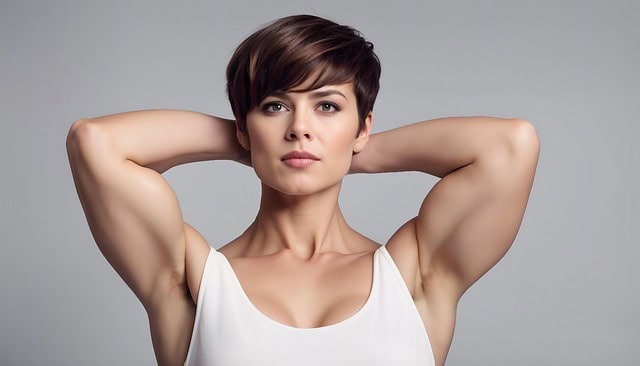
For decades, the fashion industry promoted a narrow definition of beauty—one that often excluded the majority of real bodies. Runways, magazines, and advertising campaigns largely celebrated thin, tall, and flawless models, shaping unrealistic standards that influenced how people viewed themselves. In recent years, however, the rise of the body positivity movement has begun to challenge these norms, reshaping fashion trends and redefining beauty in more inclusive ways.

The Rise of Body Positivity in Fashion
The body positivity movement emerged as a response to body shaming, unrealistic beauty ideals, and size discrimination. It advocates for the acceptance of all bodies regardless of size, shape, skin tone, ability, gender, or age. As social media amplified diverse voices, consumers began demanding representation that reflected real life rather than idealized perfection.
Fashion brands could no longer ignore this shift. What started as a grassroots movement soon influenced mainstream fashion, pushing designers and retailers to rethink sizing, marketing, and overall brand identity.
Inclusive Sizing as a Fashion Trend
One of the most visible impacts of body positivity on fashion trends is inclusive sizing. Extended size ranges, plus-size collections, and adaptive clothing lines are no longer niche offerings—they are becoming industry expectations. Brands that once catered to a limited body type are now expanding their size charts to reach a broader audience.
This shift has transformed silhouettes and designs as well. Fashion trends now focus on fit, comfort, and versatility, proving that style does not have a size limit. Oversized tailoring, stretch fabrics, wrap designs, and adjustable clothing reflect this inclusive approach.
Representation on Runways and Campaigns
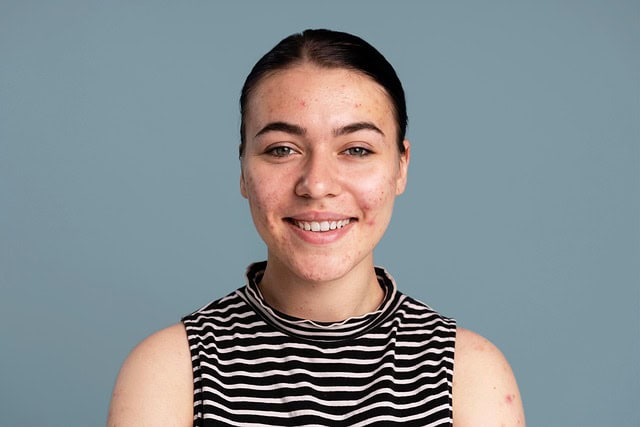
Another major change is the growing diversity of models featured in fashion shows and advertising. Runways now showcase models of different body sizes, heights, ages, and physical abilities. Campaigns increasingly celebrate stretch marks, scars, and natural body shapes instead of digitally altered perfection.
This representation has a powerful impact. Seeing diverse bodies in fashion helps normalize different appearances and encourages consumers to feel confident in their own skin. As a result, authentic representation itself has become a fashion trend, valued as much as the clothing being promoted.
Social Media’s Role in Driving Change
Social media platforms have played a crucial role in connecting fashion trends with body positivity. Influencers, content creators, and everyday users challenge traditional beauty standards by sharing unfiltered images and styling tips for all body types. These voices often influence trends faster than luxury runways or fashion magazines.
Brands now collaborate with body-positive influencers to build trust and authenticity. Trends driven by social media—such as body-hugging outfits, crop tops for all sizes, and confidence-focused styling—reflect a cultural shift toward self-expression rather than conformity.
Challenges and Criticism
Despite progress, the intersection of fashion trends and body positivity is not without criticism. Some brands are accused of performative inclusivity, promoting diversity in marketing without making meaningful changes to product design or accessibility. Others still prioritize certain “acceptable” body types while excluding many others.
True body positivity in fashion requires consistency—across sizing, pricing, representation, and workplace diversity. Consumers are increasingly aware of this and hold brands accountable for genuine inclusion rather than trend-based marketing.
The Future of Fashion and Body Positivity
As fashion continues to evolve, body positivity is shaping its future rather than serving as a temporary trend. Consumers are choosing brands that align with their values, favoring authenticity, comfort, and representation over unattainable ideals. Fashion trends are shifting from “how bodies should look” to how clothing should serve bodies.
Ultimately, the connection between fashion trends and body positivity marks a cultural transformation—one that celebrates individuality, confidence, and self-acceptance. When fashion embraces real bodies, it becomes more than style; it becomes a powerful tool for empowerment.