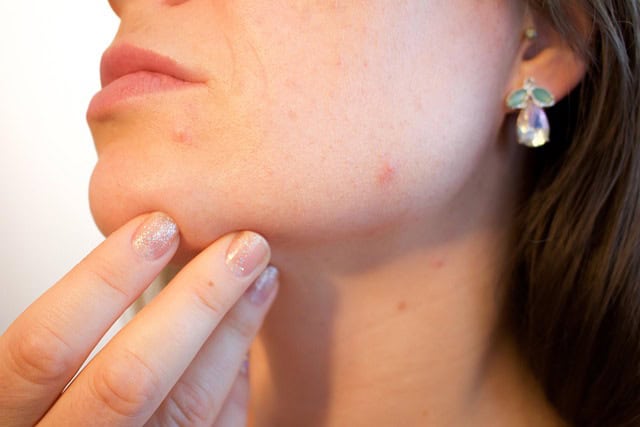
Social media platforms such as Instagram, TikTok, and YouTube have become major sources of skin care information, especially for teenagers and young adults. Influencers frequently share routines, product recommendations, and home remedies that promise quick and dramatic results. While some of this content increases awareness about basic skin care, much of it spreads myths that are not supported by medical science.
Dermatology is a medical specialty grounded in research and clinical evidence. When viral trends replace evidence-based advice, individuals may experience skin irritation, worsening of conditions, unnecessary expenses, or long-term damage. This article examines common skin care myths promoted on social media and contrasts them with established medical facts to promote informed and safe skin care practices.
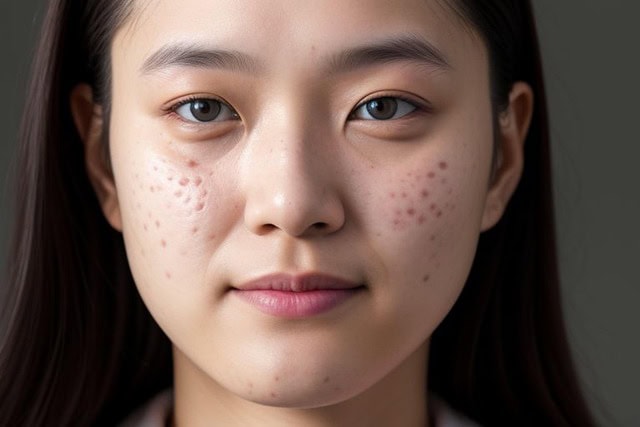
Myth 1: Natural Skin Care Products Are Always Safer
Social media often promotes “natural” or “organic” products as inherently better and safer than synthetic ones. Influencers commonly discourage the use of “chemicals,” creating fear around scientifically developed ingredients.
Medical Fact:
“Natural” is not a regulated term in dermatology or cosmetics. Many natural substances, such as essential oils and plant extracts, can cause allergic reactions, irritation, or contact dermatitis. Conversely, many synthetic ingredients—such as niacinamide, hyaluronic acid, and ceramides—are extensively researched and proven safe.
Conclusion: Safety depends on formulation and concentration, not whether an ingredient is natural or synthetic.
Myth 2: Sunscreen Is Only Needed on Sunny Days
A common belief shared online is that sunscreen is unnecessary on cloudy days or when staying indoors.
Medical Fact:
Up to 80% of ultraviolet (UV) rays penetrate clouds, and UVA rays can pass through window glass. Daily sun exposure contributes to premature aging, pigmentation, and increased risk of skin cancer.
Conclusion: Broad-spectrum sunscreen with at least SPF 30 should be used daily, regardless of weather or location.

Myth 3: Washing Your Face Frequently Prevents Acne
Many influencers promote washing the face multiple times a day to keep it “clean” and acne-free.
Medical Fact:
Over-cleansing strips the skin of natural oils, damages the skin barrier, and can increase irritation and oil production. This may worsen acne and conditions like eczema.
Conclusion: Gentle cleansing twice daily with a mild cleanser is sufficient for most skin types.
Myth 4: Popping Pimples Helps Them Heal Faster
Pimple-popping videos are widely shared and often portrayed as satisfying and helpful.
Medical Fact:
Popping pimples can push bacteria deeper into the skin, increase inflammation, cause infection, and lead to permanent scarring or dark marks.
Conclusion: Acne should be treated with appropriate topical medications, and extractions should only be performed by trained professionals.
Myth 5: DIY Home Remedies Are as Effective as Medical Treatments
Homemade masks using lemon juice, baking soda, turmeric, or toothpaste are popular on social media.
Medical Fact:
Many of these ingredients have extreme pH levels that disrupt the skin barrier and cause burns or irritation. DIY remedies lack standardized concentrations and safety testing.
Conclusion: Clinically formulated products are safer and more reliable than untested home remedies.
Myth 6: Oily Skin Does Not Need Moisturizer
People with oily or acne-prone skin often avoid moisturizers due to fear of breakouts.
Medical Fact:
All skin types need moisturization. Skipping moisturizer can lead to dehydration, which causes the skin to produce even more oil. Lightweight, non-comedogenic moisturizers help maintain a healthy skin barrier.
Conclusion: Proper hydration is essential, even for oily skin.
Myth 7: All Anti-Aging Products Work the Same
Social media frequently markets anti-aging creams without explaining which ingredients actually work.
Medical Fact:
Only certain ingredients have strong scientific evidence for anti-aging benefits. These include retinoids, vitamin C, peptides, and sunscreen. Many products rely on marketing claims rather than effective concentrations of active ingredients.
Conclusion: Ingredient quality and evidence matter more than brand popularity.
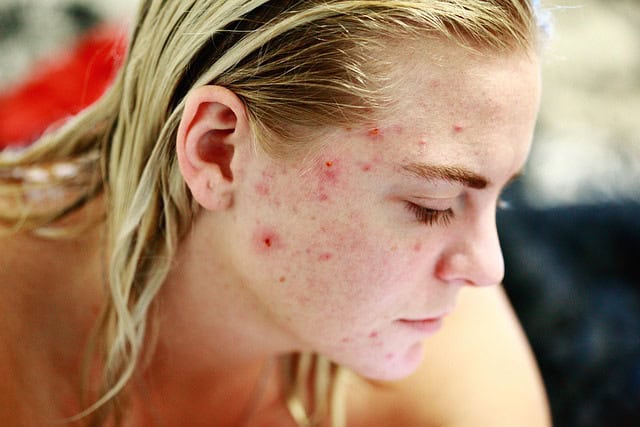
Myth 8: Daily Exfoliation Is Necessary for Glowing Skin
Exfoliation trends often encourage daily scrubbing or acid use.
Medical Fact:
Over-exfoliation damages the skin barrier, leading to redness, sensitivity, and breakouts. Most people benefit from exfoliation only 2–3 times per week, preferably with gentle chemical exfoliants.
Conclusion: Moderate and appropriate exfoliation is key to healthy skin.
Myth 9: Expensive Skin Care Products Are Better
Luxury brands are often promoted as superior on social media.
Medical Fact:
Price does not determine effectiveness. Many affordable products contain the same active ingredients as high-end brands. Effectiveness depends on formulation, stability, and suitability for the skin type.
Conclusion: Evidence-based ingredients matter more than cost.
Myth 10: You Can Permanently Shrink Your Pores
Many products claim to shrink pores permanently.
Medical Fact:
Pore size is largely genetic. While pores cannot be permanently reduced, their appearance can be improved with proper cleansing, exfoliation, and retinoids.
Conclusion: Products can improve pore appearance but not eliminate pores.
Myth 11: Drinking Large Amounts of Water Clears Skin
Viral advice often claims that drinking more water will cure acne.
Medical Fact:
Hydration supports overall health but does not directly treat acne. Skin hydration depends more on topical moisturizers and barrier health.
Conclusion: Water intake is important, but it is not a skin care treatment.
Myth 12: Social Media Advice Can Replace a Dermatologist
Some influencers suggest that professional consultation is unnecessary.
Medical Fact:
Dermatological conditions such as acne, eczema, rosacea, and psoriasis require medical diagnosis and treatment. Influencers do not replace trained healthcare professionals.
Conclusion: Social media can educate, but dermatologists provide medical care.
Conclusion
Social media has made skin care information widely accessible, but it has also amplified myths that conflict with medical science. Blindly following viral trends can harm the skin and delay proper treatment. Evidence-based practices—such as daily sunscreen use, gentle cleansing, proper moisturization, and professional consultation—remain the foundation of healthy skin.
Understanding the difference between social media myths and medical facts empowers individuals to make safer, more effective skin care choices and protects long-term skin health.