
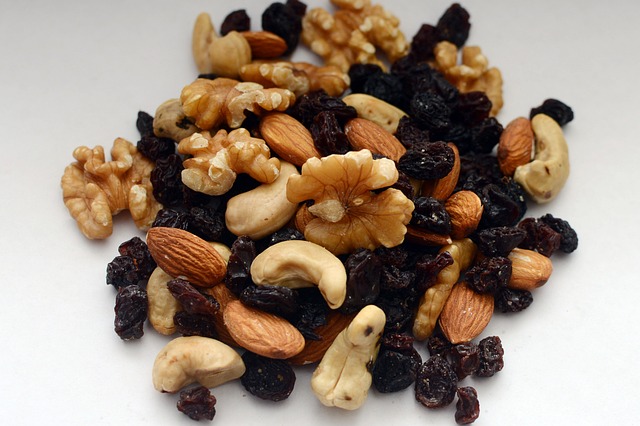
Fats are also important, though they should be consumed in moderation. Healthy fats provide energy and help in the absorption of certain vitamins. Sources of healthy fats include nuts, seeds, vegetable oils, avocados, and fish. Junk foods containing unhealthy fats should be limited.

Role of Vitamins and Minerals
Vitamins and minerals are required in small amounts but are extremely important for proper body functioning. They help in strengthening immunity, maintaining healthy skin, improving vision, and supporting growth.
Calcium is one of the most important minerals for teenagers. It helps in building strong bones and teeth. Since most bone development happens during adolescence, an adequate intake of calcium is essential. Milk, curd, cheese, green leafy vegetables, and almonds are rich sources of calcium.
Iron is another crucial mineral, especially for teenage girls. It helps in the formation of hemoglobin, which carries oxygen in the blood. Iron deficiency can cause weakness, tiredness, and poor concentration. Foods such as spinach, lentils, jaggery, dates, eggs, and meat are good sources of iron.
Vitamins like Vitamin A, B-complex, C, and D play different roles in maintaining health. Vitamin C boosts immunity and helps in healing wounds. Vitamin D helps in the absorption of calcium and keeps bones strong. Fresh fruits, vegetables, sunlight, and dairy products help meet vitamin requirements.

Importance of Water and Fiber
Water is often overlooked but is one of the most important components of a healthy diet. Teenagers need sufficient water to stay hydrated, especially because they are often physically active. Drinking enough water helps regulate body temperature, aids digestion, and improves concentration.
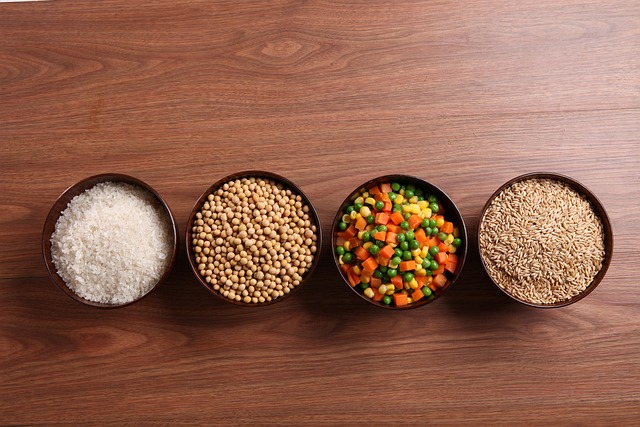
Dietary fiber is important for a healthy digestive system. It prevents constipation and keeps the stomach full, reducing unhealthy snacking. Whole grains, fruits, vegetables, and legumes are rich in fiber and should be included in daily meals.
Healthy Eating Habits for Teens
Healthy nutrition is not just about what teens eat, but also about how and when they eat. Skipping meals, especially breakfast, is a common habit among teenagers. Breakfast provides energy for the day and improves concentration and academic performance. A healthy breakfast could include milk, fruits, eggs, or whole-grain foods.
Eating meals at regular intervals helps maintain energy levels and prevents overeating. Teens should be encouraged to eat home-cooked meals rather than relying on fast food. Including a variety of foods ensures that all nutrients are consumed.
Mindful eating is another important habit. Eating slowly, avoiding distractions like mobile phones while eating, and listening to hunger cues help develop a healthy relationship with food.

Nutrition and Mental Health
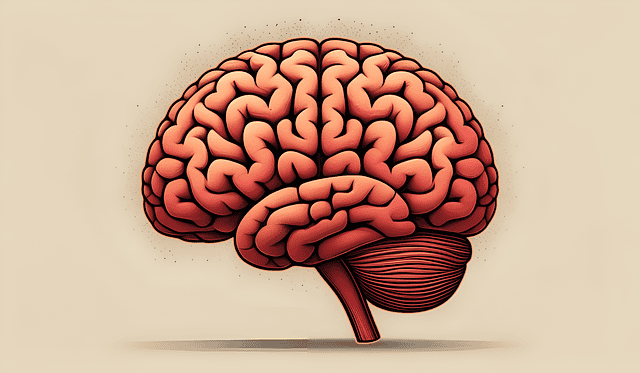
Proper nutrition also plays a significant role in mental health. The teenage years can be emotionally challenging due to academic pressure, peer influence, and hormonal changes. A healthy diet helps improve mood, reduce stress, and enhance brain function.
Foods rich in omega-3 fatty acids, such as fish and nuts, support brain health. Fresh fruits, vegetables, and whole grains provide nutrients that help maintain mental well-being. Excessive consumption of sugary and processed foods may lead to mood swings and low energy levels.
Common Nutritional Problems Among Teens
Despite the importance of nutrition, many teenagers suffer from nutritional problems. One common issue is undernutrition, which can lead to weakness and delayed growth. On the other hand, overnutrition and obesity are becoming increasingly common due to sedentary lifestyles and unhealthy eating habits.
Eating disorders, such as unhealthy dieting or skipping meals to look a certain way, are also a concern among teens. Such practices can be harmful and lead to serious health problems. It is important to promote a positive body image and focus on health rather than appearance.
Role of Parents and Schools
Parents and schools play a crucial role in promoting healthy nutrition among teenagers. Parents should provide nutritious meals at home and set a good example by following healthy eating habits themselves. Encouraging family meals can also help teens develop better food choices.
Schools can support teen nutrition by providing healthy meals in canteens, educating students about nutrition, and encouraging physical activity. Nutrition education helps teens make informed food choices and understand the importance of a healthy diet.

Conclusion
Nutrition for growing teens is a key factor in ensuring healthy growth, strong immunity, and overall well-being. The teenage years are a time of rapid development, and the body needs proper nourishment to support these changes. A balanced diet rich in carbohydrates, proteins, fats, vitamins, minerals, water, and fiber is essential.
By developing healthy eating habits early in life, teenagers can build a strong foundation for a healthy future. Proper nutrition not only helps teens grow physically but also supports their mental and emotional health. Therefore, it is important for teens, parents, and educators to work together to promote healthy nutrition and ensure a better tomorrow.