

The Invisible Ingredient in Our Food
We meticulously track macronutrients, micronutrients, and fiber, but what about the ingredients we can’t see? The widespread contamination of the food supply with microplastics (MPs)—tiny plastic fragments less than 5mm in length—has introduced a concerning new factor into human nutrition. From bottled water and sea salt to fish and packaged goods, MPs are now an invisible, unavoidable part of the “Silent Diet.” The critical question is no longer if we are ingesting plastic, but how this ingestion is affecting our health, particularly the intricate ecosystem of our gut.

The Gut Ecosystem Under Siege: Dysbiosis and Inflammation
The human gut microbiome, a diverse community of trillions of microorganisms, is essential for digestion, immune regulation, and overall metabolic health. Introducing foreign, non-degradable materials like microplastics poses a dual threat to this ecosystem:
Physical Irritation and Barrier Damage
MPs can act as physical irritants to the delicate gut lining. Studies suggest that larger particles may cause micro-abrasions, leading to increased intestinal permeability—a condition often called “leaky gut.” This compromises the gut’s ability to act as a protective barrier and can trigger chronic, low-grade inflammation.
Microbial Dysbiosis:
The surface of microplastics provides a new environment for microbes to colonize, potentially favoring the growth of less beneficial or even pathogenic bacteria—a phenomenon known as dysbiosis. Furthermore, the chemicals that leach from the plastics (like plasticizers and endocrine disruptors) can directly interfere with the metabolism and diversity of the existing, beneficial gut flora. Research is exploring whether MPs reduce the abundance of key beneficial bacteria, such as Bifidobacteria and Lactobacillus.
Beyond the Gut Barrier: Nutrient Malabsorption
The most direct nutritional consequence of a microplastic-compromised gut lies in the potential for nutrient malabsorption. A healthy gut is crucial for efficiently breaking down food and transporting nutrients into the bloodstream.
Impaired Micronutrient Uptake
Inflammation and damage to the intestinal villi (the small, finger-like projections responsible for absorption) can reduce the surface area available for nutrient uptake. This may specifically impair the absorption of:
Fat-Soluble Vitamins (A, D, E, K):
These rely on efficient fat digestion and absorption, which can be disturbed by gut inflammation.
Minerals
: Key minerals like Iron and Zinc require specific transport proteins and a non-inflamed environment for optimal uptake.
B Vitamins:
The production of some B vitamins is a function of a healthy, diverse gut microbiome; dysbiosis could therefore reduce their endogenous synthesis.
A Proactive Plate: Nutritional Mitigation Strategies
While global action is needed to reduce plastic pollution, consumers can adopt dietary strategies to strengthen gut resilience and minimize exposure:
Prioritize Whole Foods
By choosing fresh, whole, and minimally processed foods, you naturally limit exposure to food packaging, which is a primary source of MP contamination.
Fortify the Microbiome:
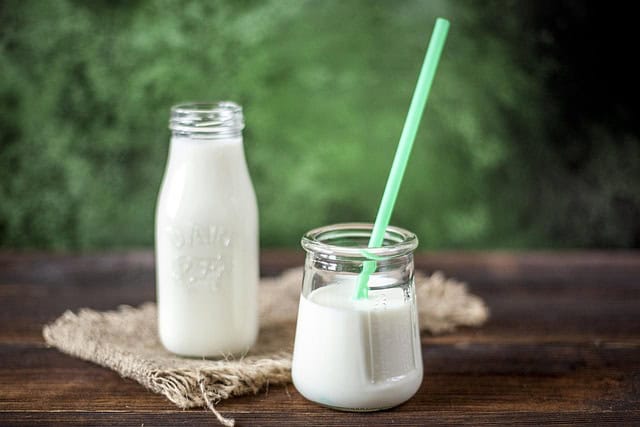
A diet rich in prebiotic fiber (from vegetables, whole grains, and legumes) and probiotic-rich fermented foods (like yogurt, kefir, and kimchi) can help maintain a strong, diverse microbial community that is more resilient to environmental stressors.
Ditch the Plastic Containers:
Replace plastic food storage and single-use water bottles with glass, stainless steel, or ceramic alternatives. Never heat food in plastic containers, as heat dramatically increases the release of microplastics and harmful chemicals.
The Silent Diet requires a loud response. By understanding the emerging science and making informed dietary and lifestyle choices, we can aim to protect our most vital internal ecosystem from this invisible, yet ever-present, threat.