“Why Do We Fall Ill?”
This chapter moves beyond the simple definition of sickness to explore the complex dance between our health, or environment, and the relentless array of pathogens that challenge our well-being. It establishes that being “healthy” is a far more holistic condition than simply being “disease-free.”

1. Defining Wellness: The Triad of Health
Health is not a static state; it’s a dynamic balance of three essential components, as recognized by the WHO:
Physical Well-being: The proper, efficient functioning of all body systems.
Mental Well-being: A state of psychological balance, free from excessive stress or anxiety.
Social Well-being: The ability to effectively interact and thrive within one’s community.
The Community Connection
An individual cannot achieve true health in isolation. Factors like public cleanliness (proper sanitation, waste disposal) and socio-economic status (allowing access to nutritious food and healthcare) are contributory causes that shape health outcomes for everyone. Poor community hygiene creates an environment where infectious diseases flourish, impacting every resident.
2. When the Balance is Disturbed: Disease
Disease (literally “dis-ease”) occurs when one or more body systems are damaged or malfunctioning. The body signals this disturbance through:
Symptoms: Subjective feelings reported by the patient (e.g., pain, dizziness).
Signs: Objective indicators observed by a doctor (e.g., blood cell count, high fever).
The Time Factor: Acute vs. Chronic
Diseases are categorized by how long they last:
| Category | Duration & Impact | Examples |
| :— | :— | :— |
| Acute | Short-term; minimal impact on general health. | Common cold, Typhoid. |
| Chronic | Long-term (sometimes lifelong); causes major, debilitating effects like weight loss and fatigue. | Tuberculosis, Diabetes, Elephantiasis. |

3. The Immediate Threat: Pathogens and Transmission
Diseases are separated into two broad groups based on their immediate cause and spread:
Disease Type Cause & Spread Examples
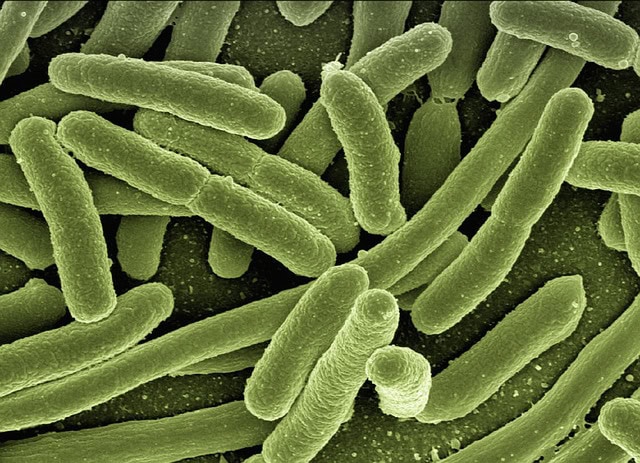
Infectious (Communicable) Caused by external agents (pathogens: viruses, bacteria, fungi, protozoans, worms); spreads from person to person. Cold, Flu, Malaria, TB.
Non-infectious (Non-communicable) Caused by internal factors (genetics, lifestyle, organ malfunction); does not spread. Cancer, Arthritis, Diabetes.
Export to Sheets
Pathways of Infection 🦠
Infectious agents use distinct routes to travel between hosts:
Air-borne: Spread by tiny droplets from coughing/sneezing (e.g., Common cold, TB).
Water-borne: Spread by consuming contaminated water (e.g., Cholera, Hepatitis).
Sexual Contact: Direct physical contact (e.g., Syphilis, HIV/AIDS).
Vectors: Carried by intermediate organisms like mosquitoes (Anopheles carries Malaria, Aedes carries Dengue) or flies
Organ Specificity
Pathogens do not attack randomly.
They often target a specific organ or tissue in the body (tissue-specific manifestation). The route of entry does not determine the site of attack.
The Malaria protozoan enters via a mosquito bite (skin) but travels to the liver and Red Blood Cells (RBCs).
The Tuberculosis bacteria enter via the air but attack the lungs.
4. The Two-Pronged Strategy: Treatment and Prevention
The Principles of Treatment
Treatment is a two-step approach:
Symptom Reduction: Easing the effects of the disease (e.g., fever medicine, rest) to give the body’s immune system a chance to recover.
Killing the Microbe:
Antibiotics:
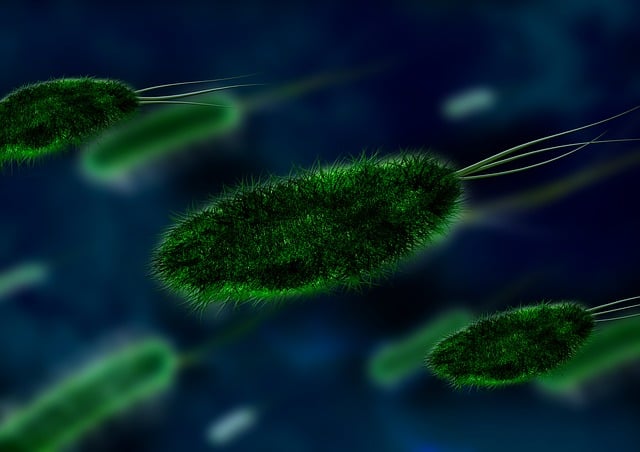
Target bacterial infections by blocking their unique biochemical pathways, such as cell wall formation. They are ineffective against viruses.
Antiviral Drugs:
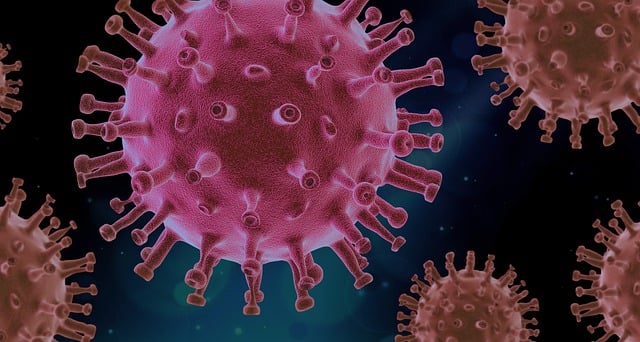
Harder to develop because viruses utilize the host’s machinery, making it difficult to target the pathogen without harming the host’s cells.
Prevention: The Superior Choice 🛡️
Prevention is always preferred because treatment: (a) takes time, (b) may not fully restore lost health, and (c) keeps the infected person as a source of further spread.
General Prevention (Limiting Exposure)
This involves minimizing contact with the microbe through better hygiene, safe water, avoiding overcrowding, and controlling vectors (like mosquitoes).
Specific Prevention (Immunization)
The body’s immune system can “remember” a pathogen after the first exposure. Vaccination exploits this memory.
Mechanism: A weakened or inactivated form of the pathogen is introduced to the body.
Result: The immune system learns to fight it, creating specific antibodies and memory cells without the person getting sick. This provides long-term immunity, ensuring a stronger, faster defense if the real pathogen attacks later.