In a world filled with confusing diet trends and complex health advice, the most powerful tool you have is practical knowledge. Eating well doesn’t require a celebrity chef or a large budget—it simply requires a few smart strategies.
This article provides actionable advice across five essential areas of lifestyle nutrition, helping you build a healthier relationship with food, manage your health across a lifetime, and save money along the way.

1. Nutrition for Healthy Aging: Fueling Longevity
As we age, our nutritional needs shift, making certain nutrients critical for maintaining vitality, independence, and sharp focus. The goal is to combat three major age-related issues: muscle loss (sarcopenia), bone density decline (osteoporosis), and cognitive slowdown.
| Focus Area | Key Nutrient & Function | Dietary Pattern Highlight |
| Muscle Mass | Protein: Essential for repairing and building muscle tissue. Adults over 50 often need higher protein intake than younger adults. | Ensure a good source of protein (fish, poultry, beans, tofu) at every meal, not just dinner. |
| Bone Density | Calcium & Vitamin D: Calcium is the building block; Vitamin D helps the body absorb it. | The Mediterranean Diet is rich in bone-supporting nutrients like Vitamin K (from leafy greens) and magnesium (from nuts/seeds). |
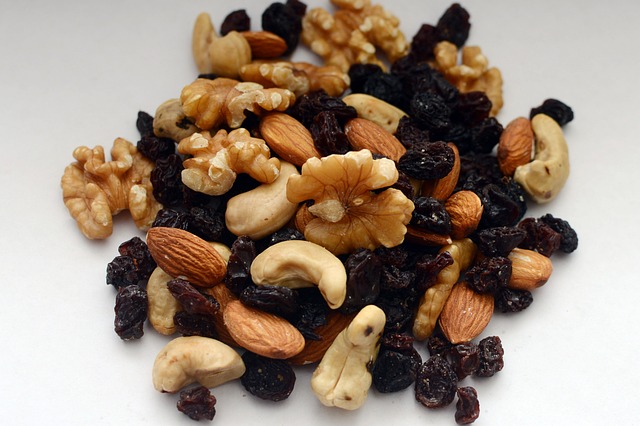
| Cognitive Function | Omega-3 Fatty Acids (DHA/EPA): Critical for brain health and reducing inflammation. | Prioritize fatty fish (salmon, mackerel), walnuts, and flaxseeds. Antioxidants from colorful berries also protect brain cells. |
Export to Sheets
The Takeaway: Adopt a dietary pattern, like the Mediterranean Diet, that emphasizes vegetables, whole grains, healthy fats, and lean protein, rather than chasing individual supplements.
2. Mindful Eating: Rewiring Your Relationship with Food
Mindful eating is a technique rooted in Eastern philosophy that encourages paying attention to the food you are eating, without judgment. It’s not about what you eat, but how you eat.
| Technique | Benefit for Digestion & Satiety |
| Slow Down | It takes about 20 minutes for your stomach to signal to your brain that it is full (satiety). Eating quickly overrides this signal, leading to overeating. |
| Engage Your Senses | Notice the smell, texture, color, and temperature of your food. This turns eating into an experience, not just an activity. |
| Chew Thoroughly | Digestion begins in the mouth. Chewing food to a near-liquid consistency helps your stomach and small intestine efficiently process nutrients. |
| Minimize Distractions | Put away screens (phones, TV) and books. When you focus solely on eating, you’re more likely to feel satisfied and remember the meal. |
Export to Sheets
The Takeaway: Mindful eating helps you distinguish between true hunger and emotional cravings, fostering a healthier, more intuitive approach to nourishment.
3. Navigating Food Labels: Your Simple Decoding Guide
Food labels are legally required to provide information, but they can be intentionally confusing. Learn to spot the three most important elements:
A. Ingredient List: The 5-Ingredient Rule
Ingredients are listed by weight in descending order. A simple rule of thumb: If the first five ingredients are highly processed or unfamiliar chemicals, put the product back. Look for whole, recognizable foods (e.g., oats, nuts, fruit, spices) near the top.
B. Serving Size: The Hidden Pitfall
Always look at the serving size and how many servings are in the package. Many “single-serving” bottles or bags actually contain 2 or 2.5 servings. To calculate your true intake, you must multiply the calories and nutrients by that number.

C. Nutrient Claims: Don’t Fall for the Buzzwords
Nutrient claims are marketing tools. Know what they actually mean:
- “Low Fat” or “Fat-Free”: Often means sugar, salt, or fillers were added to compensate for lost flavor.
- “High Fiber” or “Good Source of Fiber”: Look for at least 3 grams of fiber per serving to be a “good source” and 5 grams or more to be truly “high fiber.”
- “Natural” or “Healthy”: These terms are weakly regulated and often meaningless. Base your decision on the ingredients and nutritional facts panel.
4. Budget-Friendly Nutrition: Eating Rich on a Dime
A healthy diet doesn’t have to break the bank. Smart shoppers focus on affordable, nutrient-dense staples.
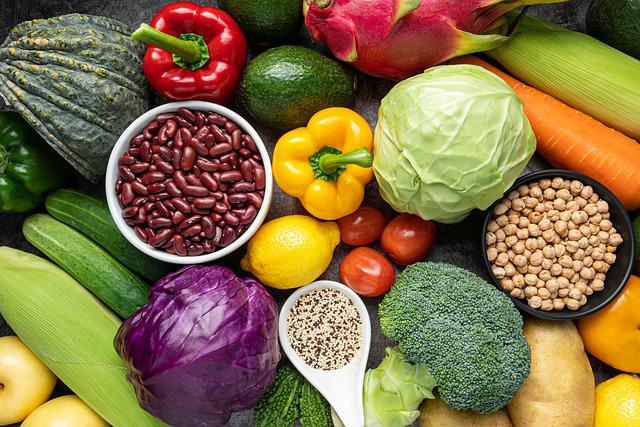
- Embrace Legumes: Dried or canned beans (black, kidney, chickpeas) and lentils are some of the most budget-friendly sources of protein and fiber. They can replace meat in many dishes.
- Buy in Bulk (Wisely): Grains like oats, brown rice, and whole wheat pasta are far cheaper when bought in bulk. Store them in airtight containers to maintain freshness.
- Focus on Frozen: Frozen fruits and vegetables are often cheaper than fresh, just as nutritious (sometimes more so, as they are picked at peak ripeness), and eliminate spoilage.
- Cook from Scratch: Preparing meals at home, such as chili, soups, or homemade bread, costs a fraction of buying pre-made or restaurant food.

5. Meal Prep for Maximum Nutrition
Meal prepping is a powerful strategy to save time, reduce food waste, and ensure you always have a healthy option ready.
| Strategy | Benefit | Example |
| Cook Staples in Bulk | Creates a ready-to-use foundation for multiple meals throughout the week. | Batch-cook a large quantity of rice, quinoa, baked chicken breast, or roasted sweet potatoes. |
| The “Component Prep” Method | Instead of pre-assembling full meals, prepare individual components to mix and match. | Chop all vegetables (onions, peppers, carrots) on Sunday so they are ready for stir-fries, omelets, or salads later. |
| Use Freezing to Your Advantage | Certain foods, like chili, curries, and soups, freeze exceptionally well. | Make a double batch of your favorite soup and freeze half in individual servings for emergency lunches. |
Export to Sheets
By mastering these practical elements of food and nutrition, you are investing in your energy, your health, and your future. Start small—try one new technique this week, and build your healthier lifestyle one smart choice at a time.