Fatty liver disease, increasingly common due to modern diets and sedentary lifestyles, is characterized by an excessive buildup of fat in the liver cells. The good news is that, particularly in its early stages, this condition can often be managed and even reversed through significant changes in diet and lifestyle. Shifting to a whole-foods-based approach, similar to the Mediterranean diet, forms the cornerstone of a natural remedy for a healthier liver.

The Power of Diet: Foods to Embrace
A liver-friendly diet emphasizes whole, unprocessed foods, healthy fats, lean proteins, and high fiber content, while strictly limiting added sugars, refined carbohydrates, and unhealthy fats.
1. Focus on Plant-Based Goodness
Fruits and Vegetables
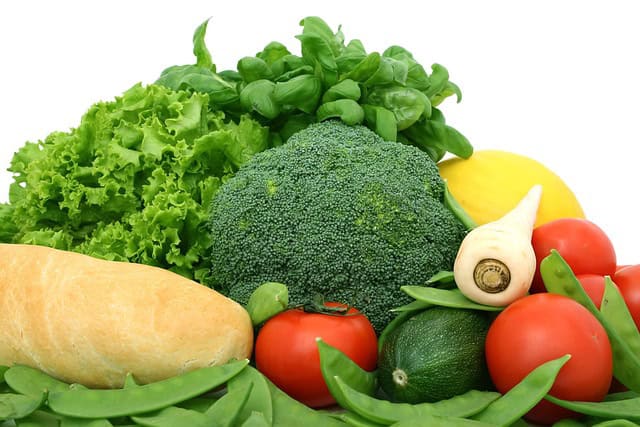
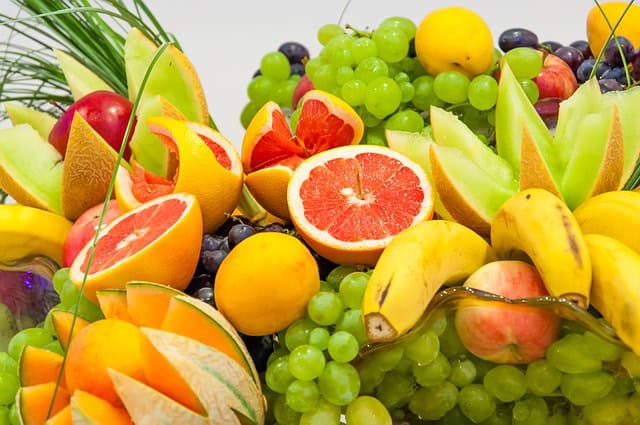
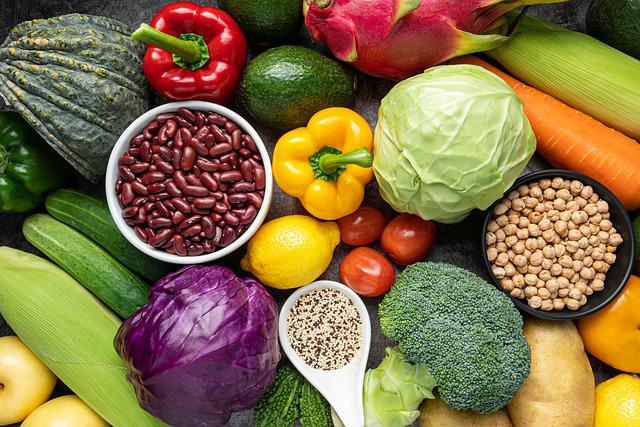
Aim for a plate that’s half-filled with produce. Non-starchy vegetables (like broccoli, spinach, kale, carrots, and bell peppers) and whole fruits (especially berries, apples, and citrus) are packed with fiber and antioxidants, which combat inflammation and support detoxification. High fiber intake helps stabilize blood sugar and improves insulin sensitivity, a key factor in fatty liver.
Whole Grains
Swap refined grains (white bread, white rice, pasta) for whole-grain options like oatmeal, brown rice, quinoa, and whole-wheat products. Their higher fiber content aids digestion and helps manage weight and blood sugar levels.
Legumes, Nuts, and Seeds
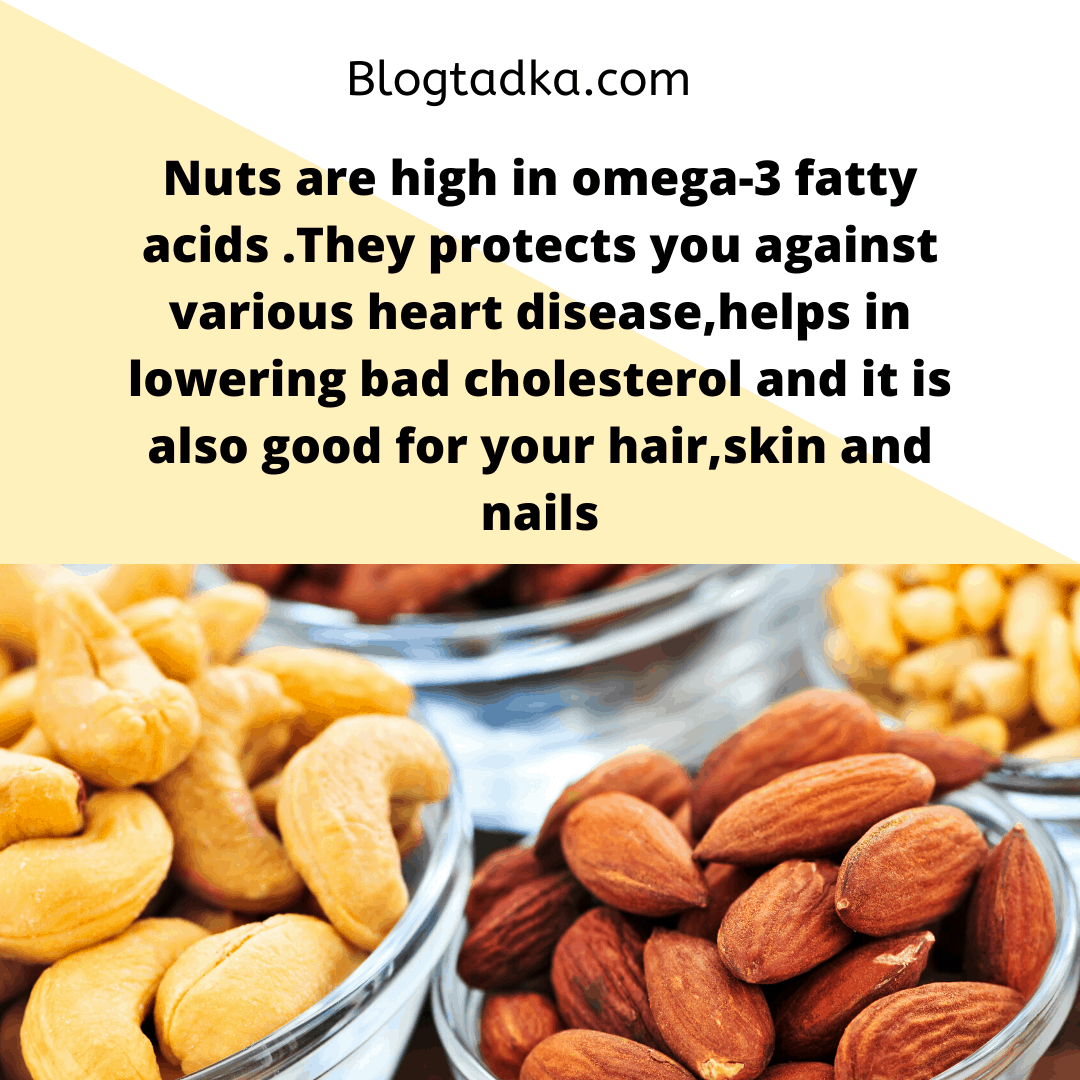
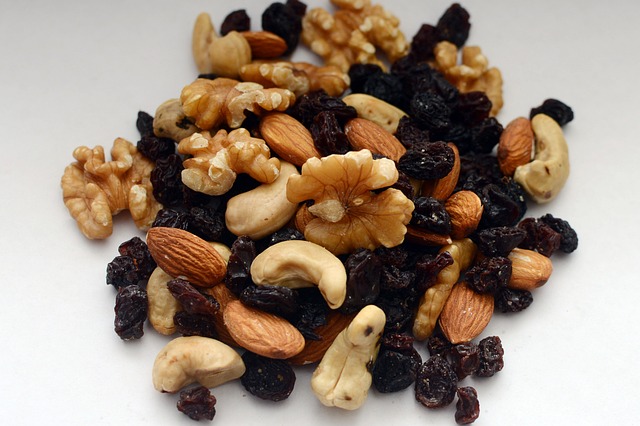
Beans, lentils, chickpeas, walnuts, almonds, and sunflower seeds provide essential fiber, plant-based protein, and healthy fats. Walnuts, in particular, are rich in Omega-3 fatty acids, which have been shown to improve liver function.
2. Choose Healthy Fats
Replacing saturated and trans fats (found in processed meats, fried foods, and butter) with unsaturated fats is crucial for liver and heart health.
Extra Virgin Olive Oil
Rich in monounsaturated fats, olive oil has anti-inflammatory properties that can help reduce liver fat and inflammation.
Fatty Fish
Salmon, sardines, mackerel, and trout are excellent sources of Omega-3 fatty acids (EPA and DHA). These anti-inflammatory fats have been proven to reduce liver fat content and improve liver enzyme levels.
Avocado
Contains healthy fats and fiber that support liver and weight management.
Lean Proteins and Dairy
Lean Meats
Opt for fish, poultry, beans, and nuts. Limit red meat and avoid processed meats.
Low-Fat Dairy
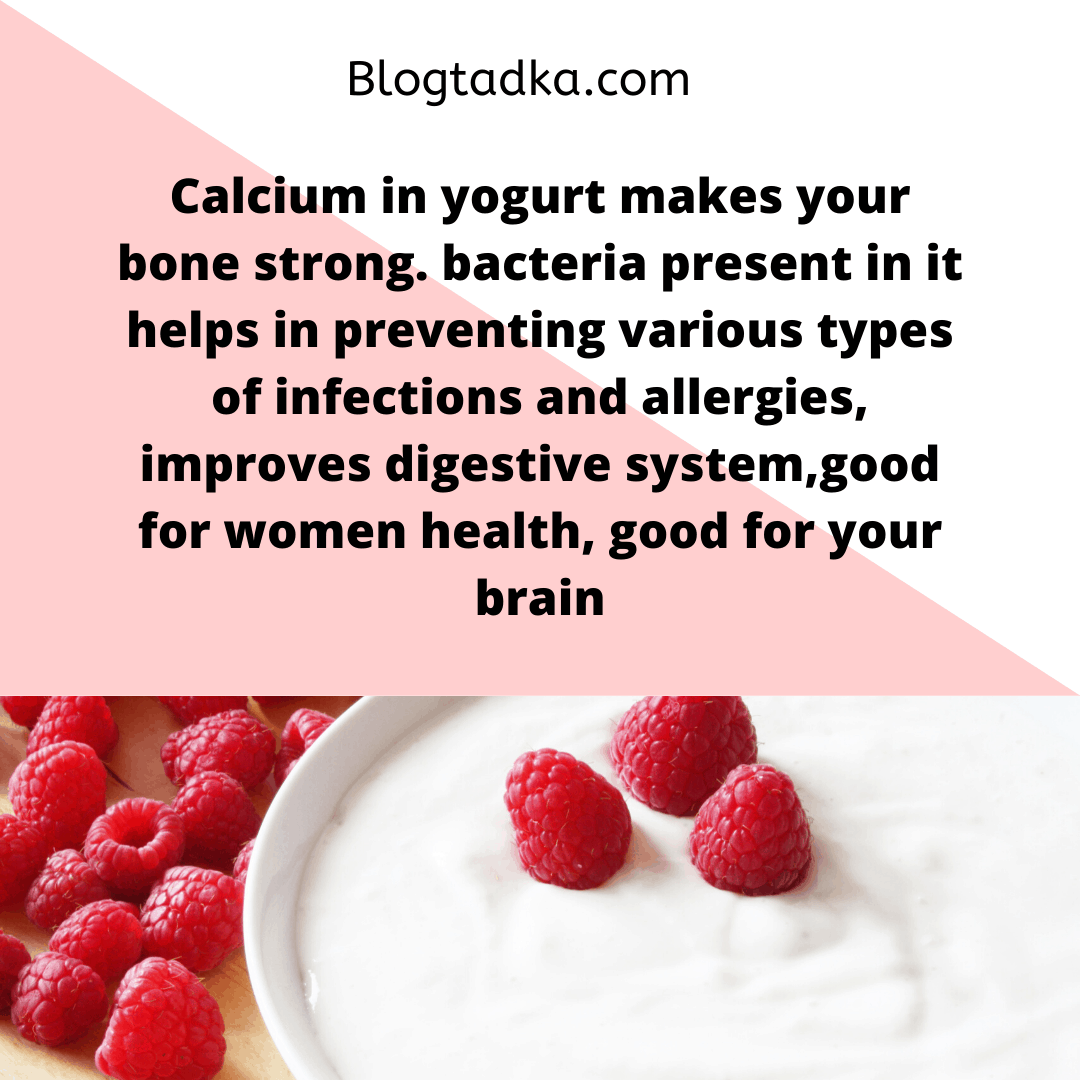
Low-fat milk and yogurt are sources of whey protein, which may offer a protective effect on the liver.
The Unexpected Liver Ally: Coffee
Regular coffee consumption (unsweetened) has been linked in numerous studies to a reduced risk of fatty liver and slower progression of liver damage. Its beneficial effects are attributed to its high antioxidant content.
Natural Remedies and Supplements
While a comprehensive lifestyle change is the primary treatment, certain natural compounds and supplements show promise in supporting liver health. Always consult your doctor before starting any new supplement.
Turmeric (Curcumin)
The active compound, curcumin, is a powerful antioxidant and anti-inflammatory agent. Research suggests it may help lower liver enzymes, reduce fat accumulation, and decrease inflammation.
Milk Thistle (Silymarin)
Used for centuries, the active compound silymarin has antioxidant and anti-inflammatory properties and may help protect liver cells. Studies have shown it can improve liver enzymes in people with fatty liver disease.
Omega-3 Supplements
If you don’t consume enough fatty fish, an Omega-3 supplement (fish oil) may be recommended by your doctor to help reduce liver fat and inflammation.
Vitamin E
As a powerful antioxidant, high-dose Vitamin E (often 800 IU/day) has been shown to benefit some individuals with Non-Alcoholic Steatohepatitis (NASH), a more advanced form of fatty liver. However, it requires medical supervision due to potential risks at high doses.
The Essential Lifestyle Component
Dietary changes are most effective when paired with other healthy lifestyle modifications:
Weight Loss
Gradual, sustained weight loss (even 5-10% of body weight) is one of the most effective ways to reduce liver fat and improve the condition.
Regular Exercise
On most days of the week, try to get in at least 30 minutes of moderate-intensity exercise.Physical activity directly helps reduce liver fat and improves insulin sensitivity.

Limit Sugar and Alcohol
Avoid sugary beverages (soda, juice, sports drinks) and foods high in added sugars, as excess sugar is easily converted to liver fat. If your condition is Non-Alcoholic Fatty Liver Disease (NAFLD), minimizing alcohol intake is still important. If it is Alcohol-Related Fatty Liver Disease (AFLD), complete abstinence from alcohol is essential.
In summary, treating and reversing fatty liver disease begins with a commitment to a healthier plate—one rich in fruits, vegetables, whole grains, and healthy fats. By embracing a Mediterranean-style diet and making consistent lifestyle choices, you empower your body’s natural ability to heal and protect one of its most vital organs.